I spent years doing crunches and situps, thinking they’d help my back pain from sitting at a computer all day. Turns out I was making everything worse. After my disc injury in 2012 — I hurt my back lifting concrete during a backyard remodel, which left me with L4-L5 disc degeneration and a mild, non-surgical rupture — I learned the hard way that these “classic” exercises create exactly the wrong kind of stress on your spine.
When you’re already dealing with the effects of desk work, adding situps to your routine is like pouring gasoline on a fire. Your spine is already compromised from hours of sitting, and these exercises compound the same flexion pattern that’s causing your problems in the first place. I’ve spent the last decade figuring out better approaches, working with physical therapists and learning what actually works.
The good news is there are much better ways to build core strength that support your spine instead of damaging it. I’ll explain exactly why situps are problematic and show you the alternatives that actually helped reduce my back pain while building real functional strength.
Key Takeaways
Situps and crunches create dangerous spinal flexion that can cause disc herniation and make existing back pain worse
Desk workers face extra risk because sitting already puts the spine in a compromised flexed position
Effective core training focuses on stability and anti-movement patterns, not repeated spine flexion
Planks, dead bugs, and bird dogs build core strength while protecting your back
Your core’s main job is to stabilize your spine, not bend it repeatedly under load
Proper core training can reduce existing back pain and prevent future injury
The Mechanical Problem with Traditional Ab Exercises
When you do a situp or crunch, you’re forcing your spine to flex repeatedly under load. This creates enormous pressure on your spinal discs (the cushions between vertebrae). Research shows this repeated flexion can generate forces over 3,000 pounds per square inch on your lower back. That’s a staggering amount of pressure.
Here’s what happens mechanically during a typical situp: you lie on your back, anchor your feet, and pull your torso up by rounding your spine. This movement pattern goes against everything we know about safe spine mechanics. Your spine is designed to maintain its natural curves, not repeatedly flex under resistance.
For desk workers, this becomes even more problematic. Sitting for hours already puts your spine in flexion, weakening your posterior chain muscles and tightening your hip flexors. When you add situps, you’re essentially reinforcing the same harmful movement pattern that’s already causing your stress and pain.
Why Your Discs Are Vulnerable
Spinal discs can handle tremendous loads, but they have one major weakness: repeated flexion. Each time you round your spine during a crunch, the disc material gets pushed backward toward the spinal nerves. Over time, this can lead to disc bulging, herniation, or complete rupture. I learned this the hard way when my own disc problems got worse from doing what I thought were “strengthening” exercises.
The risk is highest in the morning when your discs are most hydrated and vulnerable. Many people do ab workouts first thing in the morning, which is exactly when your spine is most susceptible to flexion-related damage. The increased disc pressure from overnight fluid accumulation makes situps particularly dangerous during this time.
How Desk Work Sets You Up for Problems
Your daily work routine creates conditions that make traditional ab exercises even more harmful. When you sit at a desk for hours, several problematic changes occur that directly impact your spine’s health and stability.
Prolonged sitting weakens your glutes (the muscles that should support your pelvis and lower back). When these muscles become inactive, other structures must compensate, increasing stress on your spine. Sitting also tightens your hip flexors, pulling your pelvis into an anterior tilt that places additional pressure on your lower back.
Your thoracic spine rounds forward during desk work, creating a hunched posture that becomes your body’s new baseline. When you perform situps or crunches, you’re reinforcing this same rounded position, essentially training your body to move in ways that perpetuate poor posture and back pain.
The Muscle Imbalance Issue
Traditional ab exercises create muscle imbalances that are especially problematic for desk workers. Situps and crunches primarily target the rectus abdominis (the “six-pack” muscle) while neglecting the deeper core stabilizers that actually protect your spine.
Meanwhile, the muscles on the back of your body (your posterior chain) become progressively weaker from prolonged sitting. This creates an imbalance where your front muscles become tight and overactive while your back muscles become weak and underactive. The result is a spine that lacks proper support and is prone to injury.
What Your Core Actually Does
Before I get into better exercise alternatives, you need to understand what your core actually does. This was a major revelation for me after years of doing the wrong exercises. Your core’s primary job isn’t to create movement – it’s to prevent unwanted movement and provide stability for your spine.
Your core functions like a natural weight belt, creating intra-abdominal pressure that supports your spine from the inside. This system works best when all the core muscles (diaphragm, pelvic floor, deep abdominals, and back extensors) work together as a coordinated unit.
Think about when you actually need core strength: lifting a heavy box, carrying groceries, or standing up from your desk chair. In each scenario, your core needs to resist movement and provide stability, not create the flexing motion that situps train.
The Anti-Movement Concept
Effective core training focuses on what experts call “anti-movement” patterns. These include anti-extension (resisting back arching), anti-flexion (resisting forward bending), anti-lateral flexion (resisting side bending), and anti-rotation (resisting twisting). Training these patterns builds a core that actually protects your spine during daily activities.
This approach is particularly beneficial for desk workers because it directly counteracts the postural stresses of prolonged sitting. Instead of reinforcing poor movement patterns like situps do, anti-movement exercises teach your core to maintain proper spinal alignment under load.
8 Safe Core Exercises That Actually Work
Now that you understand why situps are problematic, here are the alternatives that actually helped my back pain while building real core strength. These exercises focus on stability and proper movement patterns that work with your body’s natural mechanics.
Stability-Based Exercises
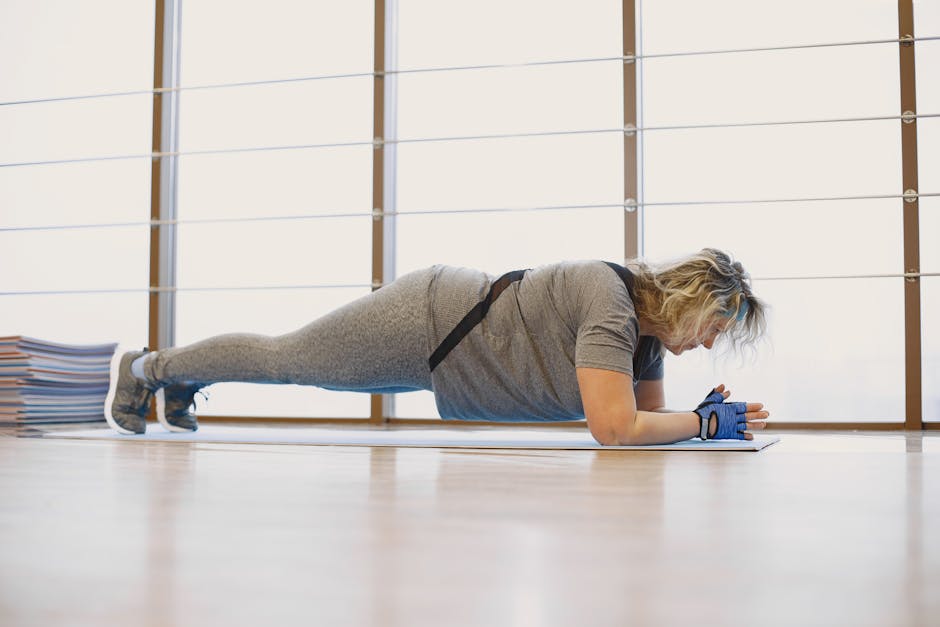
Plank: The gold standard for core stability. Hold a straight line from head to heels, engaging your entire core without flexing your spine. Start with 20-30 second holds.
Side Plank: Targets the lateral core muscles while improving hip stability. Start with modified versions on your knees if needed.
Dead Bug: Performed lying on your back, this exercise teaches core control while moving your limbs independently. Keep your lower back pressed to the floor.
Bird Dog: Combines core stability with posterior chain activation, perfect for counteracting desk posture. Move slowly and avoid hip rotation.
Progressive Movement Patterns
Pallof Press: An anti-rotation exercise that teaches your core to resist twisting forces. You can use a resistance band or cable machine.
Farmer’s Walk: Carrying weight while maintaining perfect posture challenges your entire core system. Start with moderate weights and focus on posture.
Wall Sit: Builds isometric strength in your legs and core while promoting proper spinal alignment. Hold for 30-60 seconds.
Glute Bridge: Strengthens the posterior chain while teaching proper hip hinge mechanics. This directly counters the effects of prolonged sitting.
Building Your Safe Core Routine
Creating an effective core routine that protects your back requires a systematic approach. Here’s how I built a program that addressed my specific needs as someone dealing with both desk work and back problems.
Week 1-2: Master the basic positions. Start with 20-30 second holds for planks and side planks. Perform 8-10 repetitions of dead bugs and bird dogs on each side.
Week 3-4: Increase hold times to 45-60 seconds for static exercises. Add controlled movement to your bird dogs and dead bugs.
Week 5-6: Introduce progressive variations like single-arm planks or elevated feet positions. Add the Pallof press and farmer’s walks.
Week 7-8: Focus on integration by combining exercises or adding external resistance. Practice maintaining core stability during functional movements.
Ongoing: Continue progressing by increasing hold times, adding complexity, or incorporating movements that challenge your core in new ways.
I do these exercises 3-4 times per week, allowing recovery between sessions. Quality beats quantity every time. Focus on perfect form rather than rushing through repetitions or extending hold times before you’re ready.
Common Mistakes I’ve Seen (and Made)
Even when doing safer core exercises, many people make mistakes that limit effectiveness or potentially cause injury. I made several of these errors myself when transitioning away from traditional ab exercises.
One of the most common errors is holding your breath during exercises. Proper breathing is essential for core function because your diaphragm is actually part of your core system. Practice breathing normally during all exercises while maintaining core engagement throughout the breathing cycle.
Another frequent mistake is progressing too quickly. Just because situps are bad for your back doesn’t mean you should immediately jump into advanced core exercises. I learned this lesson when I tried to do too much too soon and ended up with increased back pain. Build your foundation slowly, mastering basic positions before advancing to more challenging variations.
Form Matters More Than Everything
Poor form during “safe” exercises can quickly make them unsafe. In planks, avoid sagging hips or hiking your butt too high. During dead bugs, keep your lower back pressed to the floor throughout the movement. With bird dogs, move slowly and avoid rotating your hips or shoulders.
Pay attention to your neck position during all exercises. Many people crane their necks forward or let their heads drop, which can cause neck strain and reinforce the forward head posture common in desk workers. Keep your neck in a neutral position aligned with your spine.
Frequently Asked Questions
Can situps actually make my existing back pain worse?
Yes, situps can significantly worsen existing back pain. They force your spine to repeatedly flex under load, creating enormous pressure on spinal discs – up to 3,000 pounds per square inch. For desk workers who already have compromised spines from prolonged sitting, situps compound the same harmful flexion pattern that’s likely causing your pain in the first place.
What should I do instead of crunches to strengthen my abs safely?
Focus on stability-based exercises like planks, side planks, dead bugs, and bird dogs. These exercises train your core to resist movement rather than create it, which is how your core actually functions in daily life. Anti-movement exercises like the Pallof press and farmer's walks are also excellent alternatives that strengthen your core while protecting your spine.
Why are morning ab workouts particularly risky for my back?
Your spinal discs are most hydrated and vulnerable in the morning after overnight fluid accumulation. This increased disc pressure makes your spine particularly susceptible to injury during flexion exercises like situps and crunches. The combination of vulnerable discs and repeated spinal flexion creates the highest risk for disc herniation or other serious injury.
How does my desk job affect which core exercises I should choose?
Desk work creates muscle imbalances by weakening your glutes and posterior chain while tightening your hip flexors and promoting forward head posture. This makes traditional ab exercises even more harmful because they reinforce the same rounded spine position. You need exercises that counteract these imbalances by strengthening your back extensors and teaching proper spinal alignment.
What's the real purpose of core muscles, and how should I train them?
Your core's primary job is to prevent unwanted movement and provide spinal stability, not to create flexing motions. It functions like a natural weight belt, creating internal pressure to support your spine. Train your core using anti-movement patterns that teach stability and resistance to bending, twisting, or lateral movement rather than exercises that repeatedly flex your spine.
The Bottom Line
Understanding why situps are bad for your back was a turning point in my recovery from chronic back pain. These traditional exercises create exactly the opposite of what your spine needs, promoting the same harmful flexion patterns that contribute to desk-related back pain.
The solution isn’t avoiding core training altogether. It’s embracing exercises that support your spine’s natural function. By focusing on stability, anti-movement patterns, and proper breathing, you can build a core that protects your back rather than compromising it.
Your core’s primary job is to provide stability and resist unwanted movement, not to repeatedly flex your spine under load. The exercises I’ve outlined will help you develop this stability while addressing the specific postural challenges of desk work.
Start with a basic plank today. Hold it for 20-30 seconds with perfect form, focusing on maintaining a straight line from your head to your heels while breathing normally. It’s a simple first step that can make a significant difference.
Watch: Why Sit-Ups Are Bad for Your Back
https://www.youtube.com/watch?v=RM2kGz3MKhY
Video courtesy of Bob & Brad
Products Mentioned in This Article
As an Amazon Associate, I earn from qualifying purchases. These links help support the site at no extra cost to you.