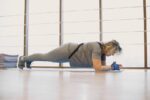
I was four hours deep into debugging code when I finally pushed back from my desk and tried to stand up. My lower back seized up like someone had jammed a screwdriver between my vertebrae, and my legs felt like they belonged to someone else entirely. If this sounds familiar, you might be dealing with what researchers call “dead butt syndrome” – a surprisingly technical term for when prolonged sitting literally puts your glute muscles to sleep, triggering a cascade of pain and dysfunction that can mess up your entire body.
This isn’t just some catchy nickname for lazy muscles. Dead butt syndrome, or gluteal amnesia if you want the proper medical term, is a real phenomenon that affects millions of desk workers. When your glutes stop doing their job properly, other muscles have to pick up the slack, often leading to chronic back pain, hip problems, and a bunch of other issues that can seriously mess with your quality of life.
The good news? Once you understand how dead butt syndrome develops and take some targeted action, you can wake up those sleeping glutes and get back to a pain-free life. Here’s what I’ve learned about why this happens and what actually works to fix it.
What You Need to Know
Dead butt syndrome happens when prolonged sitting causes your glute muscles to “forget” how to activate properly
Weak glutes force your hamstrings, hip flexors, and lower back muscles to overcompensate, leading to pain and injury
Warning signs include difficulty climbing stairs, hip sway when walking, and persistent lower back pain
Simple glute activation exercises can help “wake up” dormant muscles and restore proper function
Strengthening exercises like bridges, squats, and deadlifts can rebuild glute strength and prevent future problems
Regular movement breaks and proper sitting posture can help prevent dead butt syndrome from developing
How Sitting Puts Your Glutes to Sleep
Your glute muscles – the gluteus maximus, medius, and minimus – are supposed to be powerhouses. They handle hip extension, stabilization, and provide the foundation for nearly every movement you make. But when you spend hours in a seated position, these crucial muscles basically go into hibernation mode.
The problem starts with something called reciprocal inhibition. When you sit, your hip flexors at the front of your hips get shortened and tight. Your nervous system automatically relaxes the opposing muscles – your glutes – to prevent a muscular tug-of-war. This protective mechanism works fine for short periods, but when you’re sitting for 8+ hours a day, your glutes literally forget how to turn back on.
On top of that, the constant pressure from sitting compresses blood flow to your glute muscles, reducing the delivery of oxygen and nutrients they need to function properly. Over time, this leads to muscle atrophy, where your glutes become weaker and smaller from lack of use. It’s the classic “use it or lose it” scenario playing out in slow motion.
The modern workplace has created the perfect storm for dead butt syndrome. Between commuting, desk work, and evening screen time, many people spend 10-12 hours per day in seated positions. This prolonged inactivity doesn’t just affect your glutes – it fundamentally changes your movement patterns and muscle activation sequences, creating dysfunction that extends way beyond your backside.
The Domino Effect: How Weak Glutes Cause Back Pain
When your glutes stop working properly, your body doesn’t just give up and stop moving. Instead, it finds workarounds – and these compensations are often what lead to chronic pain and injury.
Hamstring Overcompensation
Your hamstrings are the first muscles to pick up the slack when your glutes check out. Normally, your glutes handle the heavy lifting during movements like standing up, walking, or climbing stairs. But with dead butt syndrome, your hamstrings have to work overtime to extend your hips and stabilize your pelvis.
This overuse quickly leads to tight, strained hamstrings that are prone to injury. You might notice increased stiffness in the back of your legs or difficulty touching your toes. Worse, overactive hamstrings can pull on your pelvis, creating an anterior pelvic tilt that places excessive stress on your lower back.
Lower Back Compensation
Your lower back muscles, particularly the erector spinae, also step in to compensate for weak glutes. These muscles aren’t designed to handle the load that your glutes normally carry, so they quickly become overworked and fatigued. This is often the source of that nagging lower back pain that seems to get worse throughout the day.
The compensation pattern creates a vicious cycle: weak glutes lead to overactive back muscles, which become tight and painful, leading to even more compensation and dysfunction. Without addressing the root cause – the sleeping glutes – this cycle can persist indefinitely.
Hip and Knee Problems
Dead butt syndrome doesn’t just affect your back. Weak glutes can’t properly stabilize your pelvis and hips, leading to poor alignment throughout your entire kinetic chain. This can show up as hip pain, knee pain, or even ankle problems as your body tries to compensate for the instability at the hip level.
The gluteus medius, in particular, plays a crucial role in preventing your knee from caving inward during movement. When this muscle is weak, you’re at increased risk for knee injuries and may experience pain during activities like walking or climbing stairs.
Warning Signs Your Glutes Are Weak
Recognizing the signs of dead butt syndrome is the first step toward fixing it. Your body usually provides plenty of clues that your glutes aren’t pulling their weight – you just need to know what to look for.
Movement-Based Warning Signs
Hip sway when walking is one of the most obvious signs of weak glutes. If your hips drop to one side with each step, or if you notice an exaggerated sway in your walk, your gluteus medius likely isn’t strong enough to stabilize your pelvis properly.
Difficulty climbing stairs is another red flag. Your glutes are the primary movers for stair climbing, so if you find yourself relying heavily on the handrail or feeling like your legs are working much harder than they should, weak glutes could be the culprit.
You might also notice that you have trouble getting up from a low chair without using your hands for assistance, or that you feel unstable when standing on one leg. These are all signs that your glutes aren’t providing the stability and power your body needs.
Pain and Discomfort Patterns
Chronic lower back pain, especially pain that gets worse as the day progresses, is strongly associated with weak glutes. This pain often feels like a deep ache in your lower back and may be accompanied by stiffness and reduced range of motion.
Hip pain, particularly pain on the outside of your hip or in your hip flexors, can also indicate dead butt syndrome. You might feel this pain when getting out of bed in the morning or after sitting for extended periods.
Tight hamstrings that never seem to loosen up, despite regular stretching, often point to overactive hamstrings compensating for weak glutes. If your hamstrings feel constantly tight or if you experience frequent hamstring strains, it’s worth examining your glute function.
The Best Glute Exercises for Desk Workers
The solution to dead butt syndrome involves a two-pronged approach: first awakening your dormant glutes with activation exercises, then building strength with targeted exercises. Here’s your roadmap to healthier, more functional glutes.
Glute Activation Exercises
Before you can strengthen your glutes, you need to wake them up and re-establish the mind-muscle connection. These activation exercises should be performed daily, especially before any workout or physical activity.
Glute bridges are the gold standard for glute activation. Lie on your back with your knees bent and feet flat on the floor. Squeeze your glutes and lift your hips up, creating a straight line from your knees to your shoulders. Hold for 2-3 seconds at the top, focusing on really feeling your glutes work. Start with 15-20 repetitions.
Clamshells target the often-neglected gluteus medius. Lie on your side with your knees bent at 45 degrees. Keeping your feet together, lift your top knee as high as you can while maintaining proper form. You should feel this exercise on the side of your hip. Perform 15-20 repetitions on each side.
Bird dogs help activate your glutes while also engaging your core and improving stability. Start on your hands and knees, then extend your opposite arm and leg simultaneously. Focus on squeezing the glute of your extended leg. Hold for 5 seconds, then switch sides. Perform 10 repetitions on each side.
Strength-Building Exercises
Once you’ve reestablished the connection with your glutes, it’s time to build strength. These exercises should be performed 2-3 times per week with at least one day of rest between sessions.
Hip thrusts are incredibly effective for building glute strength and power. Sit with your upper back against a bench or couch, with a weight across your hips if available. Drive through your heels and squeeze your glutes to lift your hips up. This exercise allows you to really load your glutes and see significant strength gains. Start with bodyweight and work up to 3 sets of 12-15 repetitions.
Squats are a compound movement that targets your glutes along with your quadriceps and core. Focus on sitting back into your heels and driving through your glutes as you stand up. If regular squats are too challenging, start with chair-assisted squats. Aim for 3 sets of 10-15 repetitions.
Deadlifts (or Romanian deadlifts for beginners) are excellent for strengthening your glutes and hamstrings while teaching proper hip hinge movement. Start with light weight or even just bodyweight, focusing on pushing your hips back and feeling the stretch in your hamstrings. Drive through your glutes to return to standing. Perform 3 sets of 8-12 repetitions.
Creating Your Daily Glute Routine
Consistency is key when it comes to overcoming dead butt syndrome. Here’s a practical approach to integrating glute work into your daily routine as a desk worker:
Morning activation (5 minutes): Start each day with glute bridges and clamshells to wake up your glutes before you even sit down at your desk.
Hourly movement breaks (2 minutes): Set a timer to remind yourself to stand and perform simple glute squeezes or mini bridges every hour.
Lunch break workout (10-15 minutes): Use part of your lunch break for a quick glute strengthening session with hip thrusts and squats.
Evening strength session (20-30 minutes): 3 times per week, dedicate time to a more comprehensive glute strengthening routine including deadlifts and more challenging variations.
Active commute options: When possible, walk or bike to work, take stairs instead of elevators, or park farther away to naturally activate your glutes throughout the day.
Remember, you don’t need a gym membership or expensive equipment to start addressing dead butt syndrome. Many effective glute exercises can be performed using just your bodyweight in the comfort of your home or office.
Prevention Strategies for Desk Workers
While strengthening exercises are crucial for overcoming dead butt syndrome, preventing it in the first place is even better. Here are some strategies to keep your glutes active and engaged throughout your workday.
Improve your sitting posture by ensuring your feet are flat on the floor and your hips are at or slightly above knee level. This position allows your glutes to remain somewhat engaged rather than completely relaxed. Consider using a standing desk for part of your day to reduce overall sitting time.
Set movement reminders to break up long periods of sitting. Even simple activities like standing up, walking to get water, or doing a few glute squeezes can help prevent your muscles from falling asleep. Aim to move for at least 2 minutes every hour.
Practice glute squeezes while sitting. This might sound counterintuitive, but you can actually perform isometric glute contractions while seated. Simply squeeze your glutes together, hold for 5 seconds, and release. Repeat this throughout your workday to maintain some level of muscle activation.
Stretch your hip flexors regularly to counteract the tightness that develops from prolonged sitting. Tight hip flexors contribute to glute inhibition, so keeping them flexible helps maintain proper muscle balance. Simple hip flexor stretches can be performed right at your desk.
Frequently Asked Questions
How long does it take to reverse dead butt syndrome once I start doing exercises?
The timeline varies depending on how long your glutes have been inactive and how consistently you perform exercises. Most people start feeling some improvement within 2-3 weeks of daily glute activation exercises. However, it typically takes 6-8 weeks of consistent training to fully restore proper glute function and strength. The key is performing activation exercises daily and gradually building up to more challenging strengthening exercises.
Can I do glute activation exercises right at my desk during work hours?
Yes, many glute activation exercises can be done discreetly at your desk or in a nearby office space. Simple exercises like glute squeezes while seated, standing hip thrusts against your desk, or taking walking breaks every hour can help keep your glutes engaged throughout the workday. The most important thing is breaking up prolonged sitting periods and giving your glutes regular reminders to activate.
Why don't hamstring stretches help my tight hamstrings if I have dead butt syndrome?
When you have dead butt syndrome, your hamstrings are working overtime to compensate for weak glutes, which makes them chronically tight and overactive. Simply stretching tight hamstrings won't solve the problem because they'll just tighten up again as they continue compensating for your inactive glutes. You need to address the root cause by strengthening your glutes first, which will reduce the demand on your hamstrings and allow them to relax naturally.
Is it normal to not feel my glute muscles working even when I try to activate them?
Yes, this is actually very common with dead butt syndrome and is exactly what the term "gluteal amnesia" describes. Your nervous system has essentially forgotten how to properly activate these muscles after prolonged periods of sitting. Start with simple activation exercises like glute squeezes while lying down or sitting, focusing on the mind-muscle connection. It may take several days or weeks of consistent practice before you can feel your glutes working properly again.
Will standing desks or ergonomic chairs prevent dead butt syndrome from developing?
While standing desks and ergonomic chairs can help reduce some of the negative effects of prolonged sitting, they won't completely prevent dead butt syndrome if you're still inactive for long periods. The key is regular movement and glute activation throughout the day. Even with a standing desk, you should incorporate movement breaks, walking, and periodic glute activation exercises to keep your muscles engaged and prevent them from going dormant.
The Bottom Line
Dead butt syndrome isn’t just a funny name – it’s a real condition that affects millions of desk workers and can lead to chronic pain and dysfunction throughout your body. The good news is that with consistent effort and the right approach, you can wake up those sleeping glutes and reclaim your pain-free life.
Remember that overcoming dead butt syndrome takes time and consistency. Your glutes didn’t fall asleep overnight, and they won’t wake up immediately either. Start with simple activation exercises, gradually progress to strength-building movements, and make movement a regular part of your workday. The combination of targeted exercises and lifestyle changes will help you break free from the cycle of compensation and pain that weak glutes create.
Your back pain might be telling you that it’s time to give your glutes the attention they deserve. By understanding the connection between sitting, weak glutes, and back pain, you’re already one step closer to finding lasting relief. Start tomorrow morning with 5 minutes of glute bridges and begin your journey toward stronger, more functional glutes and a pain-free back.
Watch: How to Fix Weak Glutes
https://www.youtube.com/watch?v=aq4L0F4cjKg
Video courtesy of Bob & Brad
Products Mentioned in This Article
As an Amazon Associate, I earn from qualifying purchases. These links help support the site at no extra cost to you.