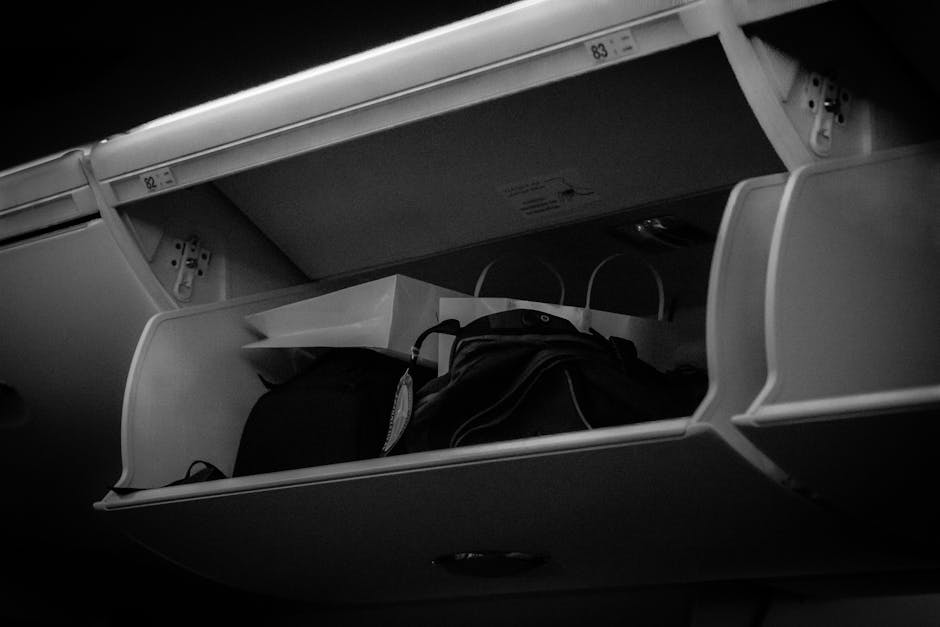
I learned this the hard way during a business trip to Portland in 2018. Watched a guy in a perfectly pressed suit throw out his back wrestling a roller bag into the overhead bin three rows ahead of me. The sound he made wasn’t something you forget. By the time we landed, he needed a wheelchair to get off the plane.
After dealing with my own back issues since 2012, I’ve spent way too much time figuring out how to travel without making things worse. The problem isn’t just the flight itself. It’s everything from packing your bag to sleeping in hotel beds that feel like concrete slabs or marshmallows.
The good news? I’ve researched pretty much every travel trick out there, from inflatable lumbar pillows to foam rollers that collapse down to nothing. Some work, some don’t. The techniques that actually prevent travel back pain aren’t complicated, but they do require you to think ahead. Professional athletes and spine surgeons have this figured out, and their methods work just as well for regular travelers.
Key Takeaways
Spine surgeons avoid overhead bin lifting because they know exactly what that awkward angle does to your discs
Smart packing with the right luggage and support gear prevents most problems before they start
Movement every 30-60 minutes during flights keeps your spine from locking up in bad positions
Hotel bed assessment takes 30 seconds and can save you from a week of pain
Compact travel tools like inflatable lumbar pillows and travel foam rollers actually work
What you do before and after travel matters as much as what happens during the flight
Why Spine Surgeons Never Use Overhead Bins
I noticed this pattern at medical conferences over the years. Spine surgeons, orthopedic docs, physical therapists—they all do the same thing when they board planes. They ask for help with their bags or they pack so light that overhead storage isn’t an issue.
It’s not because they’re being dramatic. They understand the mechanics of what happens when you lift 20+ pounds above your head while standing in a cramped airplane aisle. Your spine has to handle extreme loading in the worst possible position. You’re combining overhead reaching, twisting, and lifting while your discs are already compressed from sitting. It’s a perfect recipe for herniation or muscle strain.
Flight attendants can handle this because they’re trained in proper lifting technique and they’ve built up the core strength to do it safely. Most passengers haven’t. I’ve seen too many people hurt themselves in that exact moment—not during turbulence, not from uncomfortable seats, but from shoving a bag into an overhead compartment.
The Physics Behind Overhead Lifting Injuries
Your lumbar spine experiences maximum stress when you combine forward bending with rotation. That’s exactly what happens when you’re trying to stuff a bag into a crowded overhead bin. The intervertebral discs can see pressure increases up to 400% during these awkward movements.
After hours of sitting, your discs are already compressed and your supporting muscles are weak from inactivity. That pressure spike becomes even more dangerous. This is why most overhead bin injuries happen during boarding or deplaning, not during the flight itself.
Proper Carry-On Lifting Technique
Sometimes you can’t avoid overhead storage. I get it. When that happens, technique makes all the difference between arriving pain-free and spending your first day hunting for an urgent care clinic.
Get Help When Possible
The safest method involves asking another passenger or flight attendant for assistance. Position yourself directly under the bin opening, keep your spine straight, and let your helper guide the bag while you provide stable support from below. This eliminates the dangerous twisting motion that causes most injuries.
Solo Lifting: Step-by-Step
Face the bin directly—never approach at an angle that requires twisting
Brace your core muscles before lifting, like you’re about to get punched in the stomach
Keep the bag close to your body through the entire movement
Use your legs and shoulders to power the lift, not your back
Push rather than pull when sliding the bag into position
Keep neutral spine alignment—don’t arch backward to compensate for weight
If your bag feels heavy on the ground, it’s going to feel much heavier above your head. That’s your signal to repack or check the bag.
In-Flight Movement and Stretches
Sitting for hours creates a cascade of problems. Hip flexors tighten, glutes shut down, and your spine flattens into positions it wasn’t designed to hold. Small, frequent movements prevent these issues from turning into full-blown back pain.
I’ve tried elaborate stretching routines in airplane aisles. They don’t work and you look ridiculous. What does work is consistency with simple movements. These are exercises you can do discretely, even in economy class.
Seated Stretches That Work
Seated Spinal Twist: Put your right hand on your left knee and gently rotate your torso left, looking over your left shoulder. Hold for 15-20 seconds, then switch sides. This counters the forward head posture and rounded shoulders that develop during flights.
Hip Flexor Release: Sit toward the front edge of your seat and extend one leg straight out when space allows. You should feel a stretch in the front of your hip. This reverses the shortened position your hip flexors maintain during prolonged sitting.
Lumbar Extension: Place hands on your lower back and gently arch backward, opening your chest. This reverses the flexed posture that compresses your spinal discs.
Aisle Walking Strategy
Every 60-90 minutes, take a slow walk to the back of the plane. Do some calf raises while standing. This activates your muscle pumps, improves circulation, and gives your spine a break from sitting. Focus on standing tall with shoulders back and core engaged.
Hotel Bed Survival
Hotel beds are back pain landmines. It’s not always because they’re terrible quality. Often it’s just because they’re different from what your body expects. I’ve slept in $500-per-night hotels with beds that wrecked my back, and budget motels where I slept perfectly fine.
The key is quick assessment and strategic modification. You can figure out within minutes whether a bed will support or sabotage your spine.
30-Second Bed Assessment
Sit on the edge and pay attention to how far you sink. If you drop more than 2-3 inches, the mattress is probably too soft and won’t provide adequate spine support. If it feels like sitting on concrete with zero give, it may be too firm and could create pressure points.
Lie down in your normal sleeping position and trust your immediate reaction. If something feels off right away, it’s going to feel worse after eight hours.
Mattress Modification Techniques
Too soft: Request extra firm pillows from housekeeping and place them under the fitted sheet at strategic points—lower back, hips, knees. This creates artificial support zones that prevent excessive sinking.
Too firm: Use extra blankets or towels to create cushioning. Layer them evenly across the bed before putting on the fitted sheet. This provides padding without eliminating the firm support underneath.
Pillow positioning: Side sleepers need a pillow between their knees to maintain hip alignment. Back sleepers benefit from a small pillow under the knees to reduce lower back pressure. This works regardless of mattress type.
Portable Back Pain Relief Kit
I’ve looked into pretty much every travel back support gadget on the market. Most are junk. The ones that work share two characteristics: they provide real functional benefit, and they pack small enough that you’ll actually bring them.
Regular foam rollers are too bulky for travel, but collapsible versions changed the game. These compress to the size of a water bottle but expand to provide the same muscle release as full-size rollers.
I focus on rolling my IT bands, calves, and upper back after long travel days. Five minutes of targeted rolling can undo hours of travel-related muscle tension. The luggage space investment pays off in comfort and recovery.
Inflatable Lumbar Support
Inflatable lumbar pillows are perfect for travel. When deflated, they take up less space than a pair of socks. When inflated, they provide targeted lower back support comparable to expensive ergonomic chairs.
I use them on flights, in rental cars, and propped against hotel headboards when working on my laptop. The versatility makes them one of the most valuable items in my travel kit.
Other Essential Items
Compression socks to prevent blood pooling during long flights
Topical anti-inflammatory gel for immediate pain relief
Resistance bands for quick strength exercises in hotel rooms
Tennis ball for trigger point release against walls or floors
Portable heat patches for muscle relaxation without needing electricity
Pre-Flight and Post-Arrival Routines
What you do before and after travel matters as much as what happens during the journey. I learned this after years of focusing only on flight comfort while ignoring preparation and recovery.
Pre-flight preparation starts 24 hours before departure. Increase water intake, do gentle stretching, get adequate sleep. Your body handles physical stress much better when it’s well-hydrated and well-rested.
Airport strategies: Choose seats near restrooms for easy movement breaks. Arrive early to avoid stress from rushing. Use only wheeled luggage. Every decision should prioritize spine health over convenience or cost savings.
Post-arrival recovery begins when you reach your destination. Unpack essentials first, do gentle stretches, and assess your sleeping arrangements while you still have energy to address problems.
Frequently Asked Questions
Should I check my carry-on bag instead of lifting it into the overhead bin to protect my back?
If your bag feels heavy on the ground, definitely check it instead of risking injury. I’ve seen too many people hurt themselves in overhead bins because they underestimated the risk. Spine surgeons avoid this for good reason—the awkward angle and weight can cause immediate damage to discs and ligaments. When overhead storage is necessary, face the bin directly, engage your core, keep the bag close to your body, and ask for help.
How often should I get up and move during a long flight to prevent back pain?
I take movement breaks every 60-90 minutes during long flights. Walk slowly to the back of the plane and do gentle calf raises. In your seat, do seated spinal twists, hip flexor releases, and lumbar extensions every 30-60 minutes. Small, frequent movements work better than elaborate stretching routines for preventing the problems that prolonged sitting creates.
What should I do if my hotel bed feels too soft or too firm for my back?
Do a quick assessment by sitting on the edge and lying in your normal position. For beds that are too soft, request extra firm pillows from housekeeping and place them under the fitted sheet at your lower back, hips, and knees. For beds that are too firm, use additional blankets or towels layered evenly to create cushioning. These modifications work better than just hoping for the best.
What travel gear should I pack to support my back during flights?
Focus on compact, effective items. Inflatable lumbar pillows provide real support without taking up luggage space. Travel foam rollers help with muscle tension after arrival. Pack light overall—the best back protection is not having to lift heavy bags. Based on what user reviews and ergonomic principles consistently show, the simple, compact options work better than elaborate systems.
Why do so many people injure their backs while boarding or leaving the plane rather than during the flight itself?
After hours of sitting, your spinal discs are compressed and your supporting muscles are weakened. When you then lift luggage overhead, your lumbar spine can experience up to 400% increased pressure while combining forward bending with rotation. It’s the perfect storm for disc herniation when your spine is least prepared to handle stress. This is why spine surgeons avoid overhead bins entirely.
Prevention Beats Treatment Every Time
Travel-related back pain is completely preventable with the right approach. The spine surgeons who refuse to lift overhead bags aren’t being overly cautious. They understand that preventing injury is easier, cheaper, and less painful than dealing with it afterward.
These strategies work because they address the root causes: prolonged sitting, awkward lifting, poor sleeping surfaces, and dehydration. By systematically tackling each challenge, you turn travel from a spine-threatening ordeal into a comfortable journey.
Your back health affects every aspect of your trip. Poor spine care can turn a great vacation into a painful nightmare. Good preparation lets you focus on what matters: enjoying your destination and returning home refreshed rather than injured.
Start using these techniques on your next trip—your spine will thank you.
Products Mentioned in This Article
As an Amazon Associate, I earn from qualifying purchases. These links help support the site at no extra cost to you.