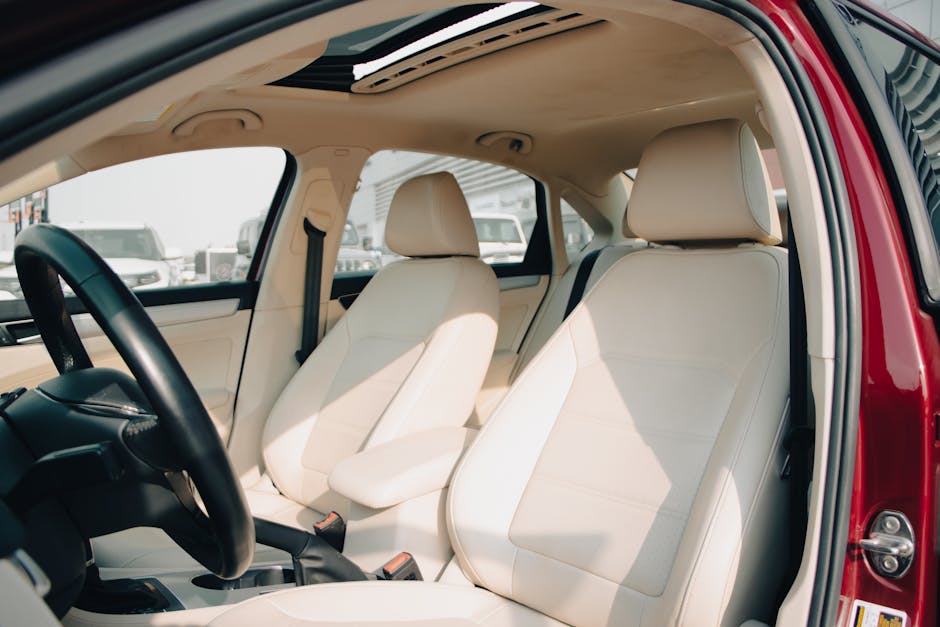
After ten years of back problems that started with a disc issue in 2012, I’ve learned that back pain doesn’t stop when you leave your desk. If you’re dealing with a 45-minute commute each way on top of 8 hours at a computer, your car seat becomes just as important as your office chair. That’s how I discovered beaded car seat cushions, and honestly, I wish I’d tried them years earlier.
These cushions look pretty basic at first glance. Wooden or plastic beads strung together and mounted on fabric backing. But the engineering behind them is actually quite clever. The individual beads create an unstable surface that forces your body to make tiny adjustments while you drive. Those micro-movements keep your muscles engaged and blood flowing in ways that a standard seat cushion simply can’t match.
I tried a beaded cushion during a particularly brutal period when my 50-minute commute was leaving me stiff and sore before I even started my workday. The difference was noticeable within the first week, though it took me some trial and error to understand why they work and how to use them properly.
What You Need to Know
Beaded cushions promote continuous micro-movements that prevent stiffness and maintain circulation during long drives
The bead design creates massage-like pressure points that help release muscle tension
Better airflow compared to solid cushions reduces heat buildup and sweating
Installation and positioning matter more than you might think for getting the benefits
They work best when combined with proper seat adjustment and regular movement breaks
The Mechanics of How These Work
The basic principle is pretty straightforward. Instead of sitting on a flat, static surface, the beads create an unstable platform. Your body has to make constant tiny adjustments to stay balanced and comfortable. These movements are mostly unconscious, but they keep your core muscles lightly active and prevent the complete muscle shutdown that happens when you sink into a regular seat.
Each bead acts as a small pressure point. When you shift to turn the wheel, check mirrors, or just naturally adjust your position, the beads roll and move with you. It’s like getting a very gentle massage throughout your drive. I notice this most on longer trips (over 30 minutes), where I typically start feeling that familiar lower back tightness with a regular seat.
The material choice matters for durability. Wooden beads, especially rosewood or bamboo, tend to last longer and have natural antimicrobial properties. Plastic beads are cheaper and easier to clean, but they can wear down faster with heavy use. Based on what users consistently report, wooden beads tend to be more comfortable over time, though the price difference is significant.
How They Address Back Pain and Posture Problems
When you’re already dealing with back issues from desk work, adding 60-90 minutes of driving per day can make everything worse. I found that my morning commute was essentially pre-loading my back with stiffness before I even sat down at my computer.
Circulation and Pressure Point Relief
Regular car seats create pressure points that restrict blood flow. You know that numb, tingling feeling you get in your legs or lower back during long drives? That’s blood pooling and reduced circulation. The beaded surface distributes your weight across multiple contact points instead of concentrating pressure in a few areas.
The continuous micro-movements also act like a very gentle pump for your circulatory system. Even small position changes help move blood through your legs and back. This prevents the buildup of metabolic waste products in your muscles that contribute to that achy, stiff feeling after long drives.
Core Muscle Activation
I wouldn’t call this a workout, but the unstable surface does require your stabilizing muscles to work more than they would on a completely stable seat. This gentle activation helps maintain better posture and prevents you from completely collapsing into your seat the way you might with a soft cushion.
The result is better spinal alignment throughout your drive. Instead of slumping into a C-curve that flattens your natural lumbar lordosis, you maintain a more active, upright position that supports your spine’s normal curves.
Temperature Control Benefits
One advantage I didn’t expect was how much cooler these cushions run compared to solid seat covers. The spaces between beads allow air to circulate freely, which prevents that sweaty, overheated feeling you get with standard cushions or heated seats.
Heat buildup during driving contributes to muscle fatigue and dehydration, both of which can increase muscle tension. The improved airflow helps maintain a more comfortable temperature around your back and reduces sweating. This is particularly noticeable if you wear business clothes during your commute or live in a warm climate.
This is one of the more consistent things users in hot climates report — the beaded cushion runs noticeably cooler than leather seat covers, and arriving at work less drained and overheated makes a real difference.
Selection and Installation
Not all beaded cushions are the same. Cheap construction is a common complaint — beads coming loose within months is a recurring problem in user reviews. The construction quality and bead specifications make a real difference in both comfort and durability.
What to Look For
Bead size is critical. Beads between 0.5 and 0.75 inches in diameter provide the best balance according to user feedback and ergonomic guidelines. Larger beads (over 1 inch) create uncomfortable pressure points, especially against your shoulder blades. Smaller beads (under 0.4 inches) don’t provide enough movement stimulation to be effective.
The backing material should be breathable fabric, not plastic. Plastic backing traps heat and moisture, which defeats one of the main benefits. Look for elastic straps or hooks that are adjustable and sturdy enough to keep the cushion secure during normal driving. Cheap elastic fails quickly and leaves you constantly readjusting the cushion position.
Installation Process
Clean your seat first to remove dirt and debris that could interfere with proper fit
Position the cushion to cover your entire back contact area, from lower back to shoulder height
Secure the straps around the seat back, making them snug but not overly tight
Test your normal driving position and adjust as needed
Readjust seat position if necessary, since the added thickness may affect your reach to pedals
Getting the Most Benefit
A beaded cushion isn’t a magic solution that fixes poor driving ergonomics. The cushion works best when your basic setup is already correct — don’t just add the cushion without addressing your seat position first.
Start with proper seat adjustment. Your knees should be slightly lower than your hips, with comfortable reach to all pedals. Your back should maintain contact with the seat back, including support for your lumbar curve. The beaded cushion should enhance this positioning, not compensate for a poorly adjusted seat.
Movement breaks are still essential. I stop every hour on long trips for a few minutes of walking and basic stretching. The beaded cushion reduces stiffness during the drive, but it doesn’t replace the need to get your body completely out of the sitting position periodically.
You can combine a beaded cushion with other ergonomic accessories if needed. A lumbar support pillow can work well with a beaded cushion, particularly if your car seat lacks adequate lower back support. But avoid over-accessorizing. Too many additions can actually make your posture worse.
Maintenance and Replacement
Proper care extends the life of your cushion significantly. Quality cushions should last at least two years with normal commuting use, and well-maintained wooden bead cushions can go considerably longer.
Monthly cleaning is simple but important. Remove the cushion and shake it thoroughly to dislodge debris that accumulates between beads. Most can be spot-cleaned with mild soap and water, but check the manufacturer’s instructions first — harsh cleaners are a common way to damage the backing fabric.
Storage matters during extreme weather. Prolonged exposure to intense heat or freezing temperatures can damage both wooden and plastic beads. It’s worth removing your cushion during summer months when the car sits in direct sunlight for extended periods. Watch for loose beads or worn backing material as signs that replacement is needed.
Frequently Asked Questions
How do beaded car seat cushions actually help with back pain during commuting?
The beads create an unstable surface that promotes constant micro-movements while you drive. This keeps your core muscles lightly engaged and improves blood circulation. Each bead acts as a pressure point that massages your back as you naturally shift positions, preventing the muscle stiffness from staying in one position too long. The dynamic interaction helps maintain better spinal alignment and reduces pressure points that cause back pain.
Are beaded cushions safe to use while driving, or do they create distractions?
The movements are subtle and automatic, similar to how you naturally shift on any seat surface. Quality beaded cushions should be properly secured to prevent sliding or movement that could interfere with vehicle controls. Users generally report no safety issues with proper installation, but securing the cushion correctly so it doesn’t shift during driving is essential.
What's the difference between wooden and plastic beads, and which is better?
Wooden beads, particularly rosewood or bamboo, offer natural antimicrobial properties and better durability. They tend to be more comfortable long-term but cost more. Plastic beads are less expensive and easier to clean while providing similar movement benefits. Both can be effective for reducing back pain. Wooden beads are the better choice for daily use, but plastic beads work fine if budget is a concern.
Can I use a beaded cushion on top of my existing ergonomic car seat or lumbar support?
Yes, but you need to be careful about positioning. The cushion should enhance your seat’s support, not interfere with it. You may need to readjust your seat position due to the added thickness. Make sure any existing lumbar support still aligns properly with your lower back curve and that you can comfortably reach all pedals and controls.
How long does it take to see improvements in back pain after starting to use a beaded cushion?
Many people notice immediate improvements in comfort from better pressure distribution and temperature control. The cumulative benefits for back pain reduction typically take about 2-3 weeks of daily use to become significant. The improved circulation and reduced muscle tension from regular micro-movements build up over time. Most people report meaningful pain reduction within 2-3 weeks of consistent use.
My Take on Beaded Cushions
After years of trying different approaches to driving comfort, beaded car seat cushions rank among the most effective simple solutions I’ve found. They’re not going to cure serious back problems, but they can make a significant difference in daily comfort and help prevent the accumulation of tension during commutes.
The key is choosing a quality cushion, installing it properly, and using it as part of good overall driving ergonomics. I still maintain proper seat position, take regular breaks on long trips, and do my stretching routine. But the beaded cushion has eliminated that pre-loaded stiffness I used to get from my commute.
Give it at least 2-3 weeks of consistent use before deciding whether it’s working for you. The benefits are cumulative as your body adapts to the increased movement and improved circulation. For the relatively low cost (quality cushions run $25-60), it’s worth trying if you’re dealing with driving-related back pain.
Products Mentioned in This Article
As an Amazon Associate, I earn from qualifying purchases. These links help support the site at no extra cost to you.