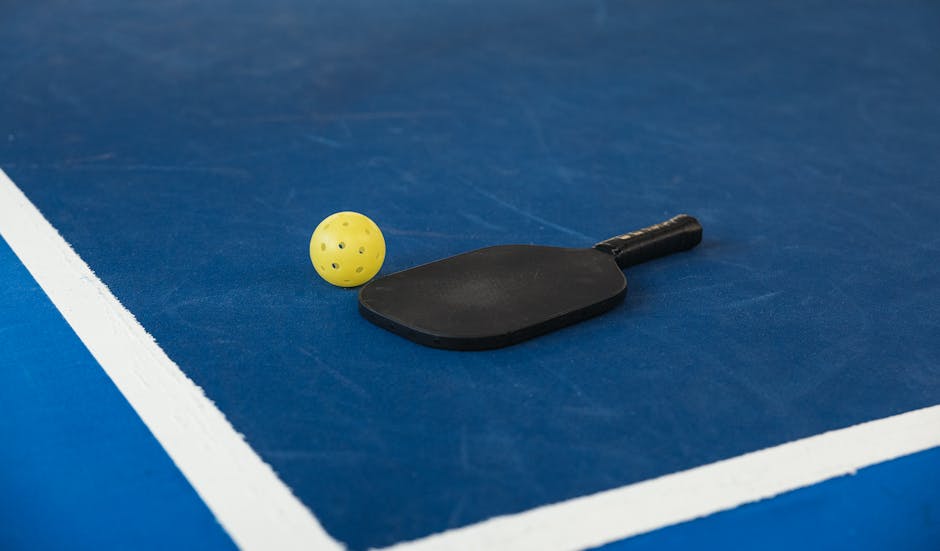
You finally decide to get more active after months of sitting at your desk, only to hobble home with a sore back after what should have been a fun game of pickleball or round of golf. I’ve been there. After my own back injury in 2012, I thought recreational sports would be the perfect antidote to my desk-bound lifestyle. I was wrong.
The irony is painful: the very activities we turn to for relief from our sedentary lifestyles often end up causing more back problems than our desk jobs ever did. Spine surgeons report seeing increasing numbers of weekend warriors whose recreational pursuits have left them with herniated discs, muscle strains, and chronic pain.
The good news? I’ve spent years figuring out why certain sports are particularly hard on your spine and what actually works to prevent problems. Understanding the mechanics and learning proper prevention techniques can help you stay active without paying the price with your back health.
What I’ve Learned About Sports and Back Pain
Pickleball, golf, and tennis involve repetitive twisting motions that stress the spine in ways desk work doesn’t prepare your body for
Poor flexibility and muscle imbalances from prolonged sitting make recreational athletes more susceptible to spine injuries
Proper warm-up routines and dynamic stretching before sports can reduce back injury risk by up to 50%
Taking stretch breaks every few holes in golf or between tennis sets helps maintain spinal mobility
Building core strength and improving flexibility are more important than athletic skill for preventing back injuries
Spine surgeons recommend gradual activity increases rather than diving into intense weekend sports sessions
Why Popular Sports Are Surprisingly Hard on Your Back
When I started researching the sports that are surprisingly bad for your back, three activities consistently topped every spine surgeon’s list: pickleball, golf, and tennis. These sports share common movement patterns that create perfect storms for spinal injury, especially in people who spend most of their time sitting.
The primary culprit is rotational stress. Your spine wasn’t designed to handle repeated, forceful twisting motions, particularly when combined with forward bending and side-to-side movement. Add the fact that most recreational athletes jump into these activities without proper conditioning, and you have a recipe for back problems.
Dr. Michael Johnson, a leading spine surgeon, explains that the majority of sports-related back injuries he treats occur in people who are otherwise sedentary. “Their bodies simply aren’t prepared for the complex, multi-directional movements these sports require,” he notes. “The muscles that should stabilize the spine are weak, while others are tight from prolonged sitting.” This matched my experience exactly.
Pickleball: The Deceptively Demanding Sport
Pickleball’s reputation as a “gentle” sport for older adults is misleading. While the court is smaller than tennis and the ball moves slower, the sport demands quick directional changes, low crouching positions, and sudden stops that can wreak havoc on unprepared spines.
Common Pickleball Back Injuries
The most frequent back injuries in pickleball occur during the distinctive “dink” shots played at the net. Players must maintain a low, bent-over position while making precise paddle movements, creating sustained flexion stress on the lower back. This position is particularly problematic for people with tight hip flexors from prolonged sitting.
Sudden lunges to reach wide shots also contribute to pickleball-related spine injuries. When your core isn’t strong enough to stabilize your spine during these explosive movements, the vertebrae and surrounding muscles bear excessive stress. I learned this the hard way during my first few pickleball sessions.
Prevention Strategies for Pickleball Players
Successful pickleball players focus on hip mobility and core strength rather than just paddle skills. Incorporating cat-cow stretches and hip flexor stretches into your pre-game routine can significantly reduce injury risk. During play, avoid staying in low positions for extended periods and take micro-breaks to stand and extend your spine.
Golf: When Your Swing Hurts Your Spine
Golf appears deceptively low-impact, but the golf swing is one of the most spine-stressing movements in recreational sports. The combination of rotation, side-bending, and compression forces during a full swing can generate pressures in the lower back equivalent to lifting several hundred pounds.
The modern golf swing emphasizes a “coiled” backswing position that requires significant spinal rotation while maintaining a bent-over posture. For golfers with limited thoracic mobility (a common problem among desk workers), this rotation stress transfers to the lower back, leading to injury.
The Critical Importance of Stretching Every Few Holes
Spine surgeons consistently recommend that golfers take stretching breaks throughout their rounds, not just at the beginning. The repetitive nature of golf swings gradually tightens muscles and reduces spinal mobility, making later swings more dangerous than earlier ones.
Professional golfers understand this principle and regularly perform maintenance stretches between holes. Recreational golfers who adopt this practice report significantly fewer back problems and improved performance during later holes. I started doing this after noticing my back got progressively stiffer during 18-hole rounds.
Essential Golf Warm-Up Routine
A proper golf warm-up should address the three planes of spinal movement: flexion/extension, rotation, and side-bending. Start with gentle torso rotations while holding a club across your shoulders, progress to standing cat-cow movements, and finish with side bends. This sequence prepares your spine for the complex movements required during your swing.
Tennis: The High-Impact Back Breaker
Tennis combines nearly every movement pattern that challenges spinal health: explosive starts and stops, overhead reaching, rotational swings, and lateral movements. The serve motion alone involves extreme spinal extension followed by rapid flexion. This sequence can strain vertebrae and surrounding muscles.
Weekend tennis players are particularly susceptible to back injuries because they often play for extended periods without adequate conditioning. The sport’s competitive nature also encourages players to push through fatigue, when proper form deteriorates and injury risk skyrockets.
Understanding Tennis-Specific Spine Stress
The tennis serve places enormous stress on the lumbar spine during the “power position” phase. As players arch their backs to generate power, the lower vertebrae compress significantly. Players with limited shoulder mobility often compensate by extending their spines excessively, increasing injury risk.
Groundstrokes, while appearing less demanding, involve repeated rotational movements that can gradually wear down spinal tissues. The modern tennis emphasis on topspin requires additional trunk rotation, further increasing stress on the spine.
What Spine Surgeons Say About Sports Preparation
Leading spine specialists agree that preparation is far more important than natural athletic ability when it comes to preventing sports-related back injuries. Dr. Sarah Chen, who specializes in sports spine injuries, reports that 80% of her recreational sports patients could have avoided surgery with proper conditioning and warm-up routines.
The medical consensus is clear: flexibility, core strength, and proper movement patterns provide better injury protection than weekend warrior intensity. Spine surgeons consistently recommend that recreational athletes prioritize these foundational elements over improving their game performance.
The Science Behind Effective Warm-Ups
Research shows that dynamic warm-ups are significantly more effective than static stretching for preventing sports injuries. Dynamic movements prepare your nervous system for athletic demands while gradually increasing tissue temperature and blood flow to working muscles.
Spine surgeons recommend warm-up routines that mirror the movement patterns you’ll use during your sport. For rotational sports like golf and tennis, this means including controlled twisting movements that gradually increase in range and speed.
Essential Pre-Sport Preparation Protocol
I’ve developed a systematic approach to sports preparation that can dramatically reduce your risk of spine injuries. This protocol works regardless of which sport you’re playing and can be completed in 10-15 minutes.
The 7-Step Dynamic Warm-Up Sequence
Gentle Walking (2-3 minutes): Start with slow walking to increase circulation and prepare your cardiovascular system
Arm Circles and Shoulder Rolls (1 minute): Prepare your upper body for overhead movements with controlled circular motions
Torso Rotations (2 minutes): Hold a club or racket across your shoulders and perform slow, controlled rotations in both directions
Hip Circles (1 minute): Place hands on hips and make slow circles to mobilize your hip joints and lower back
Leg Swings (2 minutes): Support yourself and swing each leg forward/backward and side-to-side
Controlled Practice Movements (3-4 minutes): Perform slow-motion versions of your sport’s primary movements
Gradual Intensity Increase (2-3 minutes): Slowly progress to full-speed movements before competitive play
Building Long-Term Spine Resilience
While proper warm-ups provide immediate injury protection, building long-term spine resilience requires consistent attention to flexibility and strength. The demands of recreational sports expose weaknesses that develop from prolonged sitting and poor posture habits.
Spine health experts recommend dedicating at least 10-15 minutes daily to exercises that counteract the effects of desk work. I’ve found this investment pays dividends not only in sports performance but also in reduced day-to-day back pain and improved quality of life.
Key Flexibility Areas for Sports Athletes
Hip flexors top the list of problematic areas for desk workers who play sports. These muscles tighten from prolonged sitting and restrict proper hip movement during athletic activities, forcing the lower back to compensate. Daily hip flexor stretches can dramatically improve sports performance and reduce injury risk.
Thoracic spine mobility is equally important, particularly for rotational sports. The mid-back region naturally stiffens from forward head posture and rounded shoulders. Improving thoracic rotation helps prevent excessive stress on the lower back during golf swings and tennis strokes.
Core Strength Beyond Sit-Ups
Effective core training for recreational athletes focuses on stability and endurance rather than power. Exercises like planks, bird dogs, and dead bugs train your core muscles to maintain proper spinal alignment during dynamic movements. This is exactly what you need during sports activities.
Traditional sit-ups and crunches can actually increase injury risk by promoting excessive spinal flexion. Modern spine rehabilitation emphasizes anti-movement exercises that teach your core to resist unwanted spinal motion during athletic activities.
Recovery and Maintenance Between Sessions
What you do between sports sessions is just as important as how you prepare for them. Post-activity recovery routines help your spine return to neutral alignment and prevent the accumulation of stress that leads to chronic problems.
Gentle stretching after sports helps restore normal muscle length and joint mobility. Focus on the muscles that worked hardest during your activity. For most recreational sports, that’s typically the hip flexors, thoracic spine, and shoulder complex.
Heat therapy can be beneficial immediately after sports, while ice is better reserved for acute injuries. A warm shower or bath helps relax tight muscles and promotes blood flow to healing tissues.
Frequently Asked Questions
Why do I get back pain from pickleball when it's supposed to be a gentle sport?
Pickleball is deceptively demanding despite its reputation as a gentle sport. The low crouching positions required for dink shots create sustained stress on your lower back, especially if you have tight hip flexors from sitting at a desk. Quick directional changes and sudden lunges also strain unprepared spines that lack core strength and flexibility.
How often should I stretch during a round of golf to prevent back pain?
You should take stretching breaks every few holes, not just at the beginning of your round. The repetitive golf swing gradually tightens muscles and reduces spinal mobility, making later swings more dangerous. Professional golfers regularly perform maintenance stretches between holes, and recreational golfers who adopt this practice report significantly fewer back problems.
What makes tennis so hard on the back compared to other sports?
Tennis combines nearly every challenging movement pattern for spinal health: explosive starts and stops, overhead reaching, rotational swings, and lateral movements. The serve motion involves extreme spinal extension followed by rapid flexion, while groundstrokes require repeated rotational movements. The modern emphasis on topspin requires additional trunk rotation, further increasing stress on the spine.
Is dynamic warm-up really more effective than regular stretching before sports?
Yes, research shows dynamic warm-ups are significantly more effective than static stretching for preventing sports injuries. Dynamic movements prepare your nervous system for athletic demands while gradually increasing tissue temperature and blood flow. The most effective warm-ups mirror the movement patterns you'll use during your sport, such as controlled twisting movements for rotational sports like golf and tennis.
Can weekend warriors prevent back injuries without becoming serious athletes?
Absolutely. Spine specialists report that 80% of recreational sports patients could have avoided surgery with proper conditioning and warm-up routines. Flexibility, core strength, and proper movement patterns provide better injury protection than athletic skill or intensity. The key is prioritizing these foundational elements over improving game performance and gradually increasing activity rather than diving into intense weekend sessions.
Smart Sports Participation
The key to enjoying recreational sports without falling victim to back injuries lies in respecting the demands these activities place on your spine. Sports that appear gentle can be surprisingly hard on your back when your body isn’t properly prepared for their specific movement requirements.
I’ve learned that consistency in preparation trumps intensity in competition. Regular flexibility work, proper warm-ups, and gradual progression prevent far more injuries than any protective equipment or technique modification ever could.
Remember that your spine health affects every aspect of your life, not just your athletic performance. Investing in proper sports preparation pays dividends both on and off the playing field. Start implementing these spine protection strategies gradually, and your back will thank you for years to come.
Begin with a simple 10-minute dynamic warm-up routine before your next sports session. Your future self will appreciate the effort you put in today.
Products Mentioned in This Article
As an Amazon Associate, I earn from qualifying purchases. These links help support the site at no extra cost to you.