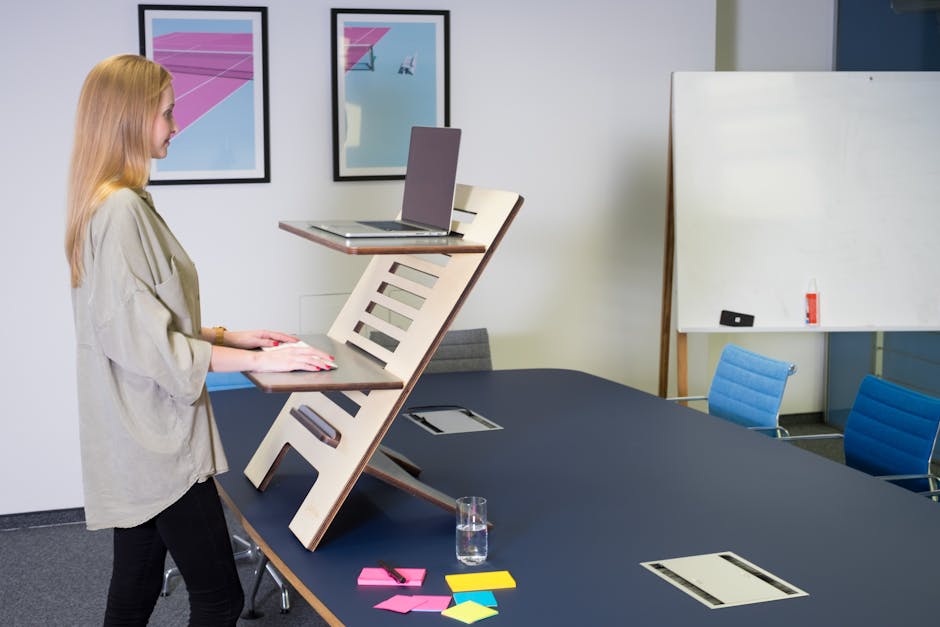
I made the switch to a standing desk back in 2014, two years after my back injury, thinking it would be the solution to my desk-related pain. After spending months researching ergonomics and dropping serious money on what I thought was the perfect setup, I discovered something frustrating: standing motionless for 6-8 hours created its own problems. My lower back still ached, my legs got tired, and I found myself shifting around constantly trying to find a comfortable position.
The issue wasn’t sitting versus standing. It was the lack of movement. After diving into the research and looking at various solutions over the past few years, I’ve found that mini steppers for standing desks and similar movement devices can make the difference between a standing desk that helps and one that just trades one set of problems for another.
I’m not a physical therapist or ergonomist, but I’ve spent enough time reading studies and evaluating equipment to understand why these devices work. They transform your static standing routine into something dynamic, keeping your muscles engaged and your spine moving throughout the workday.
Key Takeaways
Standing still at a standing desk creates muscle fatigue and back stiffness similar to prolonged sitting
Mini steppers and movement devices promote micro-movements that keep muscles active and blood flowing
Regular movement breaks muscle tension patterns that contribute to chronic back pain
Under-desk steppers with resistance bands provide full-body engagement while you work
Even small movements throughout the day compound into significant health benefits
Movement devices work best when used consistently in short, frequent intervals
Why Standing Still Hurts Your Back
From my engineering background, I tend to think about problems in terms of systems and failure points. The human body wasn’t designed for prolonged static positions, whether you’re sitting or standing. When you hold any position for extended periods, several things start going wrong that directly affect your back.
Your postural muscles, particularly the ones supporting your lower back, get overworked from maintaining the same position. These muscles aren’t built for sustained contraction. They’re designed for movement and intermittent activation. As they fatigue, you unconsciously shift your weight, often developing compensatory postures that strain other muscle groups. I noticed this happening to myself after about 2-3 hours of standing.
Blood circulation also becomes compromised during static standing. Without the muscle contractions that normally help pump blood back to your heart, circulation slows down. This leads to swelling in your legs and reduced nutrient delivery to your back muscles. You end up with a perfect storm for stiffness and discomfort.
There’s also an inflammatory response that kicks in. Tissues become compressed and metabolic waste products accumulate in your muscles. This inflammation contributes directly to that aching sensation you feel in your back after long periods at a standing desk. I experienced this consistently until I started incorporating movement into my standing routine.
The Science Behind Micro-Movements
Micro-movements are small, frequent motions throughout your day that serve as an antidote to static postures. These subtle movements activate what researchers call the “muscle pump mechanism,” where rhythmic contractions help circulate blood and lymphatic fluid throughout your body. The mechanism is straightforward, but the effects are significant.
How Movement Prevents Back Stiffness
When you use mini steppers for standing desks, you engage multiple muscle groups in a coordinated pattern. This movement stimulates mechanoreceptors in your joints and muscles, which send signals to your brain that help maintain proper posture and reduce pain perception. The gentle stepping motion particularly benefits your lower back by encouraging natural spinal movement and preventing the rigid positioning that leads to stiffness.
The stepping motion also activates your core muscles in a functional way, providing dynamic support for your spine. Unlike static core exercises, this movement-based engagement strengthens your deep stabilizing muscles while you work. I found this created better long-term back support than the static standing I was doing before.
Breaking Tension Patterns
Repetitive micro-movements help break up tension patterns that develop in your back muscles throughout the day. Each time you shift your weight or change your movement pattern, you allow tight muscles to relax momentarily while activating others. This prevents any single muscle group from becoming chronically overloaded.
Research shows that even brief movement breaks can reset muscle activation patterns and reduce the buildup of metabolic byproducts that contribute to muscle soreness and stiffness. The key is consistency. Frequent small movements throughout the day are more beneficial than occasional longer movement sessions. I learned this through trial and error over several months of trying different approaches.
Types of Under-Desk Movement Devices
There are several categories of movement devices designed to keep you active while working at a standing desk. Each type provides different benefits and movement patterns. Some work better for certain work styles or physical needs than others.
Mini Steppers with Resistance Bands
Devices like the Sportsroyals ($99.99 from Amazon) stair stepper with resistance bands represent the most comprehensive option for under-desk movement. These units combine lower body stepping motion with upper body resistance training, allowing you to engage your entire kinetic chain while working. This combination is particularly appealing because it addresses multiple issues simultaneously.
The resistance bands add an upper body component that helps counteract forward head posture and rounded shoulders. These are common issues for desk workers that I’ve dealt with personally. As you step, you can perform gentle arm exercises that strengthen your upper back and shoulders, creating better overall posture support.
The stepping motion itself targets your glutes, hamstrings, and calves. These muscles become weak and tight from prolonged sitting or static standing. Regular activation of these muscles provides better support for your pelvis and lower back. User reports and ergonomic research consistently point to improved hip flexibility with regular stepper use.
Balance Boards and Wobble Cushions
Balance boards create instability that forces your core muscles to work continuously while you stand. This constant micro-adjustment activity keeps your deep stabilizing muscles engaged without requiring conscious effort on your part. The effect is subtle but measurable over time.
Wobble cushions provide a gentler alternative, offering subtle instability that promotes movement without being distracting during focused work. These devices are particularly beneficial for people who find traditional steppers too active for concentration-heavy tasks. For highly focused work, gentler options like wobble cushions tend to be a better fit than more active devices.
Foot Rockers and Rails
Foot rockers allow you to shift your weight from heel to toe in a gentle rocking motion. This simple movement activates your calf muscles and promotes circulation while requiring minimal attention from your conscious mind. The motion is intuitive and doesn’t interfere with work focus.
Foot rails provide a stable surface for resting one foot while keeping the other on the ground, encouraging natural weight shifting and position changes throughout your workday. These are the most passive option but still provide benefit through position variation.
Maximizing Benefits: How to Use Movement Devices Effectively
Simply having a movement device under your desk isn’t enough. You need to use it strategically to maximize its back pain prevention benefits. Inconsistent use in the early weeks is one of the most common reasons people don’t see results.
Start gradually when introducing mini steppers for standing desks into your routine. Your muscles and joints need time to adapt to the new movement patterns. Beginning with 2-3 minute intervals every hour, then gradually increasing duration as comfort and stamina improve, is a sensible approach. Trying to do too much too soon leads to fatigue rather than relief.
The 20-20-20-20 Rule for Movement
I adapted the popular 20-20-20 rule for eye strain to include movement: every 20 minutes, spend 20 seconds looking at something 20 feet away, and add 20 seconds of gentle stepping or movement. This creates a rhythm that your body and mind can easily adopt. I set a timer initially until this became automatic.
During these micro-movement breaks, focus on smooth, controlled motions rather than intense exercise. The goal is to stimulate circulation and break up static postures, not to achieve a cardiovascular workout. Treating the stepper like gym equipment early on is a common mistake that works against you.
Step-by-Step Integration Guide
Successfully incorporating movement devices into your standing desk routine requires a systematic approach. Here’s what the evidence and user experience suggest works:
Week 1-2: Foundation Building Use your movement device for 30-60 seconds every hour. Focus on establishing the habit rather than intensity or duration. A simple checklist helps track this initially.
Week 3-4: Frequency Increase Extend sessions to 1-2 minutes and increase frequency to every 30-45 minutes. Pay attention to how your back feels throughout the day. This is typically when the first real benefits become noticeable.
Week 5-6: Duration Extension Build up to 3-5 minute sessions while maintaining regular frequency. Begin incorporating resistance band exercises if using a stepper with bands.
Week 7+: Optimization Adjust timing and intensity based on your work demands and energy levels. Some days may require more frequent short sessions, others may allow longer movement breaks.
Ongoing: Listen to Your Body Use movement as needed based on how your back feels. Increase activity during stressful periods or when you notice tension building.
Common Mistakes to Avoid
There are several common pitfalls when starting to use movement devices with a standing desk. Avoiding them will help you achieve better results and prevent potential discomfort.
The biggest mistake is treating your mini stepper like gym equipment. Aggressive, intense stepping can be distracting during work and may cause fatigue rather than relief. Remember, the goal is gentle, consistent movement that complements rather than competes with your work focus.
Another common error is inconsistent use. Using your movement device intensively for a few days then abandoning it won’t provide lasting benefits. Your body adapts to consistent patterns, so regular, moderate use trumps sporadic intensive sessions. Tracking usage for the first month helps establish the habit.
Don’t ignore proper desk height adjustment when adding movement devices. Your mini steppers for standing desks may change your effective standing height, requiring you to readjust your monitor and keyboard positions to maintain proper ergonomics. It’s worth checking your monitor and keyboard height once you start using a stepper regularly.
Creating a Complete Movement Strategy
Movement devices work best as part of a comprehensive approach to workplace wellness. I combine my under-desk stepper with other movement strategies for maximum back pain relief. This integrated approach has been more effective than relying on any single solution.
I incorporate regular posture checks throughout my day. Even with movement devices, you can still develop poor standing habits. I set reminders to assess my alignment: ears over shoulders, shoulders over hips, weight evenly distributed between both feet. These checks take about 10 seconds but prevent hours of compensatory strain.
I also alternate between sitting and standing periods, using my movement device during standing sessions. This sit-stand-move cycle provides the variety your body craves while preventing any single position from becoming problematic. My typical pattern is 90 minutes standing with movement, 30 minutes sitting, repeated throughout the day.
I complement my micro-movement practice with targeted stretches during longer breaks. I focus on hip flexors, hamstrings, and spinal rotation movements that counteract the positions I maintain while working. These stretches take about 5 minutes and significantly enhance the benefits of the movement devices.
Frequently Asked Questions
How long should I use a mini stepper at my standing desk to prevent back pain?
Start with 2-3 minute intervals every hour, then gradually increase duration as your body adapts. Consistency matters more than long sessions. Frequent micro-movements throughout the day are more beneficial than occasional longer movement periods. I follow the 20-20-20-20 rule: every 20 minutes, take 20 seconds to look at something 20 feet away and add 20 seconds of gentle stepping.
Will using a mini stepper at work be too distracting for focused tasks?
Mini steppers are designed for gentle, rhythmic movements that shouldn’t interfere with concentration. Starting with low-intensity stepping during less demanding tasks helps build comfort. For highly focused work, gentler alternatives like wobble cushions or foot rockers provide subtle movement without requiring active attention.
Can mini steppers really help if I already have chronic back pain from desk work?
Yes, mini steppers address the root cause of desk-related back pain by preventing static postures and muscle fatigue. The stepping motion activates your core muscles, promotes circulation, and breaks up tension patterns that develop throughout the day. Even small, frequent movements help reset muscle activation patterns and reduce the buildup of metabolic byproducts that contribute to soreness. This aligns with my own experience dealing with L4-L5 disc degeneration since my 2012 injury.
What’s the difference between mini steppers with resistance bands versus basic steppers?
Mini steppers with resistance bands provide full-body engagement, allowing you to work your upper body while stepping to counteract forward head posture and rounded shoulders. Basic steppers focus on lower body movement and circulation. The resistance bands help strengthen your upper back and shoulders, creating better overall posture support while the stepping motion targets glutes, hamstrings, and calves. The resistance band versions address more of the postural issues that come with desk work.
Do I need to be physically fit to start using a mini stepper at my standing desk?
No special fitness level is required. Mini steppers are designed for gentle, low-impact movement that anyone can start with. Begin gradually with short intervals and low intensity, focusing on smooth, controlled motions rather than intense exercise. The goal is circulation stimulation and posture breaking, not cardiovascular workout, making them accessible for all fitness levels.
The Bottom Line
Standing desks alone don’t solve back pain. Movement does. Mini steppers for standing desks and other under-desk movement devices provide the missing piece in your ergonomic puzzle by transforming static standing into dynamic, health-promoting activity.
The science is clear: micro-movements throughout your workday reduce muscle tension, improve circulation, and break up the repetitive stress patterns that lead to back pain. Whether you choose a mini stepper with resistance bands, a balance board, or a simple foot rocker, the key is consistent, gentle movement that becomes as natural as breathing.
Sustainable change happens gradually. Start small, build slowly, and listen to your body as you develop your movement practice. The investment in a quality movement device and the habit of using it regularly will pay dividends in reduced back pain, increased energy, and better overall health. After years of researching and trying different approaches to desk-related back pain, I can say that adding movement to my standing desk routine has been one of the most effective changes I’ve made.
Take action today by identifying which type of movement device best fits your work style and workspace, then commit to using it for just one minute every hour for the first week.
Products Mentioned in This Article
As an Amazon Associate, I earn from qualifying purchases. These links help support the site at no extra cost to you.