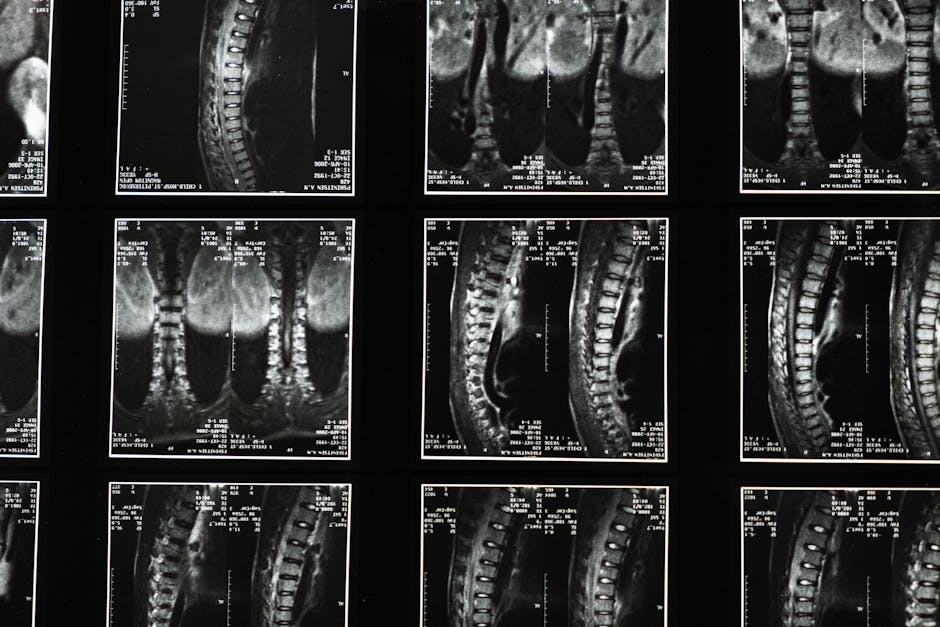
I’ve been dealing with lower back pain since I hurt my back lifting concrete during a backyard remodel in 2012. That left me with L4-L5 disc degeneration and a mild, non-surgical rupture — and years of poor posture at a keyboard made it worse. After trying different treatments and reading through research studies, I can tell you that spinal traction devices aren’t a cure-all, but they can provide real relief if your pain comes from compressed discs and nerve pressure — the kind of problems that plague most of us chained to desks all day.
The human spine wasn’t built for eight-hour stretches of sitting. When you’re hunched over a keyboard (and I’ll admit my posture is terrible), you’re compressing your vertebrae while gravity works against you. The result is compressed discs, pinched nerves, and that constant ache that follows you home. Spinal traction devices work by reversing this compression, creating space between your vertebrae so your discs can rehydrate and heal.
I’ve looked into several different approaches over the years, from basic inversion tables to more sophisticated decompression units. The key is understanding which type matches your specific problem and pain pattern.
Key Points About Spinal Traction Devices
These devices create negative pressure in your spine, letting compressed discs decompress and draw in fluids naturally
Home units like the Posture Pump ($129.50 from Amazon) and Disc Hydrator use different mechanisms but target the same goal of spinal decompression
They work best for disc-related back pain, sciatica, and compression issues that are common if you work at a desk
Short, regular sessions beat long, occasional treatments — I learned this the hard way
Certain medical conditions make traction risky, so check with a doctor if you have cardiovascular problems or spinal instability
The upfront cost pays off if you have chronic compression-related pain and stick with regular use
How Spinal Compression Damages Your Back
Your spine has 24 vertebrae separated by gel-filled discs that work like shock absorbers. When you sit (especially with the forward head posture most of us develop), these discs experience 40% more pressure than when you’re standing. I didn’t believe this number until I dug into the biomechanics research, but it’s been confirmed in multiple studies.
Over months and years, this constant compression causes your discs to lose height and dry out. Think of them like sponges being squeezed continuously — they eventually lose their ability to spring back. This leads to disc bulges, herniation, and pressure on nearby nerves. That’s where the lower back pain and sciatica come from that so many office workers deal with.
Spinal decompression reverses this process. By creating gentle traction along your spine’s axis, these devices reduce the pressure inside your discs. This negative pressure allows them to draw in nutrients and moisture. It also helps retract bulging disc material and takes pressure off compressed nerve roots.
The Research on Traction Therapy
Studies show that proper spinal traction can reduce intradiscal pressure by 25-50% when applied correctly. This pressure reduction creates conditions where damaged discs can start healing naturally. The process is gradual but measurable, similar to how a compressed sponge slowly regains its shape when you release the pressure.
What matters is the specificity of the force applied. Unlike general stretching, proper spinal traction targets the exact segments that need decompression while protecting areas that don’t need additional stress. This targeted approach is what makes quality traction devices more effective than just hanging from a pull-up bar.
Different Types of Traction Devices and How They Work
I’ve researched several types of spinal traction devices over the years. Each uses different mechanisms to achieve decompression. Understanding these differences helped me evaluate what might work best for particular disc problems like mine.
Posture Pump Elliptical Rocker Systems
The Posture Pump family uses an elliptical rocking motion combined with air bladder expansion to create targeted spinal decompression. When you lie on the device, the elliptical shape positions your spine in slight extension while the inflatable sections expand to create gentle traction force.
These devices combine passive positioning with active expansion. As the air bladders inflate, they push against specific points along your spine while the rocker’s shape maintains proper spinal curvature. This dual action creates decompression while promoting natural lordotic curvature. That’s particularly helpful for desk workers whose spines have flattened from prolonged sitting.
Treatment involves lying on the device for 10-20 minutes while the air system cycles through inflation and deflation phases. This cycling prevents your muscles from adapting to static pressure while maintaining consistent decompressive force.
Disc Hydrator Technology
Disc Hydrator devices focus specifically on lumbar decompression through graduated traction. These units typically have adjustable components that let you customize the amount of decompressive force based on your tolerance and how severe your condition is.
The hydrator concept is based on the idea that compressed discs need both decompression and time to rehydrate. These devices often use extended treatment protocols, encouraging longer sessions that give adequate time for disc material to draw in fluids and nutrients.
Inversion Tables and Gravity-Assisted Traction
Inversion therapy is the most straightforward approach to spinal decompression, using your own body weight and gravity to create traction force. While not technically a “device” in the mechanical sense, quality inversion tables offer precise angle control and safety features that make them viable for home treatment.
The advantage of inversion therapy is its ability to decompress your entire spine at once. But this broad approach can be less targeted than mechanical devices, and the dramatic position change isn’t suitable for everyone. If you have cardiovascular concerns or certain medical conditions, inversion tables can be problematic.
When Traction Therapy Works Best
Not all back pain responds well to spinal traction devices. Understanding when these tools are most effective can save you time and money.
Compression-Related Conditions
Spinal traction devices work best for conditions directly related to spinal compression. These include disc bulges, mild herniation, degenerative disc disease, and the general disc dehydration that comes from prolonged sitting. If your back pain gets worse throughout the workday or improves when you lie down, compression is likely a significant factor.
Sciatica symptoms that stem from disc-related nerve compression also respond well to decompression therapy. Many desk workers get radiating pain down one leg, numbness, or tingling. These are potential signs that compressed disc material is irritating nerve roots.
Postural-Related Back Pain
If your job requires hours of forward head posture and rounded shoulders, your lumbar spine likely compensates by losing its natural curve. This postural flattening creates uneven disc pressure and muscular imbalances that traction devices can help address.
Devices that combine decompression with gentle extension, like the Posture Pump systems, are particularly effective for postural issues because they restore natural spinal curves while reducing compression.
When Traction Doesn’t Help
Certain conditions don’t respond well to traction therapy and may get worse with decompression. These include acute muscle strains, inflammatory conditions like ankylosing spondylitis, spinal instability, and fractures. If your pain is sharp and sudden rather than chronic and aching, traction probably isn’t appropriate.
Some people also experience increased pain during or after traction sessions. This doesn’t necessarily mean the therapy is wrong for you, but it does mean you need professional guidance to adjust technique or consider different approaches.
How to Use Home Traction Devices Properly
Getting the most benefit from spinal traction devices requires proper technique and consistency. Here’s the systematic approach I developed after years of trial and error:
Start conservatively: Begin with 5-10 minute sessions at minimal force settings. Let your body adapt to the sensation of decompression
Time it right: Use your device when pain is moderate rather than severe. Acute flare-ups may need rest before beginning traction
Create the right environment: Choose a quiet, comfortable space where you can relax completely during treatment
Warm up first: Light movement or a warm shower before traction helps relax muscles and improves treatment effectiveness
Focus on relaxation: Tension works against decompression. Practice deep breathing and conscious muscle relaxation during sessions
Progress gradually: Increase session duration and force slowly over several weeks. Pay attention to your body’s response
Stay consistent: Daily short sessions typically produce better results than sporadic longer treatments
Track your progress: Keep a simple log of pain levels before and after sessions to identify patterns and optimal settings
Decompression therapy works gradually. Most people start noticing improvements within 2-4 weeks of consistent use, with continued benefits developing over months of regular treatment.
Safety Issues and When Not to Use Traction
While spinal traction devices are generally safe for home use, certain medical conditions make traction therapy risky or require professional supervision. Understanding these limitations helps ensure safe, effective treatment.
Medical Conditions That Rule Out Traction
Pregnancy, especially beyond the first trimester, typically makes traction inadvisable due to positioning requirements and potential effects on circulation. Cardiovascular conditions like uncontrolled hypertension, recent heart attack, or stroke also make traction risky due to position changes and potential circulatory effects.
Spinal conditions like spondylolisthesis (vertebral slippage), spinal tumors, or recent spinal surgery require professional evaluation before attempting any form of traction. These conditions may worsen with decompressive forces and could cause serious complications.
Warning Signs to Stop Treatment
Stop traction immediately if you experience sharp, shooting pain during treatment, significant increase in symptoms after sessions, or new neurological symptoms like numbness, weakness, or loss of bladder control. These signs may indicate that your condition requires immediate professional attention.
Less urgent but still important warning signs include persistent headaches after treatment, dizziness, or muscle spasms that worsen rather than improve with continued use. These symptoms suggest that your current approach needs modification or professional guidance.
Cost Analysis: Are Home Traction Devices Worth the Investment?
The financial investment in quality spinal traction devices ranges from a few hundred to several thousand dollars, depending on the sophistication and features included. For desk workers dealing with chronic back pain, this cost needs evaluation against potential alternatives and long-term benefits.
Comparing Costs and Benefits
A single physical therapy session costs $100-200, and most insurance plans limit coverage to 6-12 sessions per year. Professional spinal decompression treatments can cost $3,000-5,000 for a full course. Against these ongoing expenses, a quality home device represents significant long-term value if it provides meaningful relief.
The convenience factor also adds value. Home devices eliminate travel time, scheduling hassles, and the need to work around clinic hours. For busy professionals, this accessibility often makes the difference between consistent treatment and sporadic care.
Who Gets the Best Return on Investment
Home traction devices offer the best return on investment for people with chronic, compression-related back pain who are committed to consistent use. If you’ve already tried conservative treatments like ergonomic improvements, exercise, and posture correction with limited success, a quality traction device may provide the additional relief you need.
Remote workers and frequent travelers particularly benefit from home devices since they can maintain treatment consistency regardless of location changes. The portability of many modern units makes them practical for people whose work requires regular travel or relocation.
Getting Better Results: Combining Traction with Other Treatments
Spinal traction devices work best as part of a comprehensive approach to back health rather than standalone solutions. Combining decompression therapy with other evidence-based strategies amplifies benefits and addresses the multiple factors contributing to desk-related back pain.
Ergonomic improvements remain fundamental. Even the best traction device can’t fully counteract eight hours of poor positioning. Invest in proper desk setup, supportive seating, and regular movement breaks to reduce the daily compression that makes decompression therapy necessary.
Strengthening exercises, particularly for your core and posterior chain, help support your spine between traction sessions. Focus on movements that counter the forward head and rounded shoulder posture common in desk workers. Planks, bird dogs, and thoracic extension exercises complement decompression well.
Flexibility work targeting hip flexors, hamstrings, and thoracic spine helps maintain the mobility gains achieved through traction. Tight muscles can quickly pull your spine back into compressed positions, limiting the lasting benefits of decompression therapy.
Frequently Asked Questions
How long should I use a spinal traction device each day to see results?
Most spinal traction devices are designed for 10-20 minute sessions, with consistency being more important than duration. Short, regular sessions often produce better results than occasional lengthy treatments. The cycling action in devices like the Posture Pump prevents your muscles from adapting to static pressure while maintaining consistent decompressive force throughout the session.
Can spinal traction devices help with sciatica pain that shoots down my leg?
Yes, spinal traction devices can be particularly effective for sciatica symptoms that stem from disc-related nerve compression. By creating negative pressure in your spine, these devices help retract bulging disc material and reduce pressure on compressed nerve roots. Many desk workers experience radiating pain, numbness, or tingling down one leg, which are potential signs that compressed disc material is irritating nerve roots.
Are there any medical conditions that make spinal traction devices unsafe to use?
Yes, certain conditions make traction inadvisable and require professional consultation first. These include acute muscle strains, inflammatory conditions like ankylosing spondylitis, spinal instability, and fractures. Inversion therapy isn’t suitable for those with cardiovascular concerns due to the dramatic position change. If your pain is sharp and sudden rather than chronic and aching, traction may not be appropriate.
What’s the difference between a Posture Pump and an inversion table for back pain relief?
Posture Pump devices use elliptical rocking motion combined with air bladder expansion to create targeted spinal decompression while promoting natural spinal curvature. Inversion tables use gravity and your body weight to decompress the entire spine simultaneously, but this approach is less targeted. Posture Pump systems are particularly beneficial for desk workers whose spines have flattened from prolonged sitting, while inversion tables offer broader decompression but may not be suitable for everyone.
Why does my back pain get worse throughout the workday, and will traction help?
Your back pain worsens during the workday because sitting creates 40% more pressure on your spinal discs than standing, causing them to compress and dehydrate like squeezed sponges. This constant compression leads to disc bulges and pressure on nearby nerves. If your pain worsens throughout the day or improves when lying down, compression is likely a significant factor, and spinal traction devices can help by reversing this process and allowing discs to rehydrate.
My Take on Spinal Traction Devices
Spinal traction devices offer a scientifically-backed, practical solution for desk workers struggling with compression-related back pain. They’re not magic bullets, but quality devices like the Posture Pump systems and disc hydrators can provide significant relief when used consistently as part of a comprehensive back health strategy.
Success comes down to realistic expectations, proper technique, and patience with the gradual healing process. These devices work by addressing the root cause of many desk-related back problems (spinal compression) rather than just masking symptoms.
For most people dealing with chronic lower back pain from prolonged sitting, the investment in a quality home traction device pays dividends in improved quality of life, reduced pain levels, and decreased dependence on temporary pain relief measures.
Start by evaluating whether your symptoms align with compression-related conditions, consult with a healthcare provider if you have any contraindications, and commit to consistent daily use for at least 4-6 weeks to properly assess effectiveness.
Products Mentioned in This Article
As an Amazon Associate, I earn from qualifying purchases. These links help support the site at no extra cost to you.