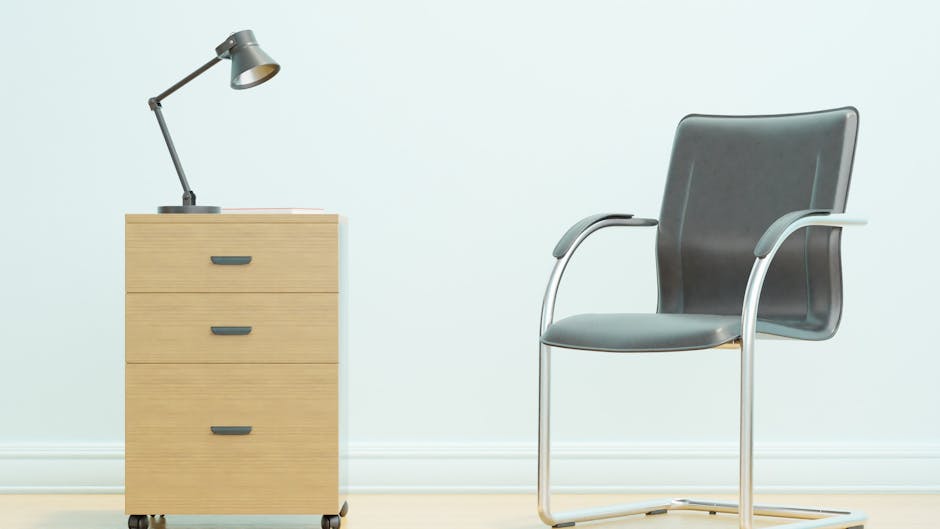
I spent years looking at ergonomic office chairs that all seemed designed by the same committee of engineers who never had to actually look at the thing in their living room. You know the type: bulky mesh backs, adjustment knobs everywhere, that unmistakable “I belong in a cubicle farm” aesthetic. But I’ve been tracking some interesting developments lately from both the usual suspects and some design-forward companies that suggest you don’t have to choose between keeping your back happy and having a chair that doesn’t make your home office look like an HR department.
I’ve been researching and following ergonomic chairs for about a decade, ever since I hurt my back lifting concrete during a backyard remodel in 2012 and then made it worse by spending years hunched over a keyboard with terrible posture. That injury left me with L4-L5 disc degeneration and a mild, non-surgical rupture, so finding seating that actually supports my spine is more than an academic exercise. What I’ve found recently is a new crop of office chairs that actually manage to blend real ergonomic support with designs that don’t make you cringe when someone sees them on a video call. These aren’t just pretty chairs with a lumbar pillow stuck on—they’re genuinely comfortable, back-friendly seats that happen to look like something you’d want in your space.
What I’ve Learned
Modern ergonomic chairs now prioritize both function and form, with sleek designs that complement contemporary interiors
Key ergonomic features like lumbar support and seat depth can be integrated subtly without compromising aesthetics
Price ranges vary dramatically, from $300 design-conscious options to $1,500+ premium pieces
Material choices—leather, fabric, and mesh—significantly impact both comfort and visual appeal
Testing by experts reveals that style-focused chairs can match traditional ergonomic models for back pain prevention
Why Traditional Ergonomic Chairs Look So Clinical
Quick answer: Traditional ergonomic chairs prioritize visible adjustment mechanisms and utilitarian materials over aesthetics, creating a clinical appearance that many find unappealing in modern home offices and stylish workspaces.
The ergonomic chair industry developed when function absolutely had to trump form. Companies focused on creating highly adjustable seats with obvious lumbar supports, prominent armrest mechanisms, and mesh materials that basically screamed “serious office equipment.” These features provided excellent support, but they created chairs that looked like they belonged in a corporate cube farm rather than any space you’d actually want to spend time in.
This approach made sense when everyone worked in matching office environments with corporate aesthetics. But as remote work exploded and home offices became extensions of personal living spaces, the demand for chairs that don’t clash with your actual furniture has grown significantly.
The New Generation: Style Meets Science
I’ve been tracking recent product launches and independent reviews, and there’s a real shift happening in the ergonomic chair market. Manufacturers are figuring out how to integrate essential support features without making them look like medical equipment. This means hiding adjustment mechanisms within sleek profiles, using premium materials that actually photograph well, and creating silhouettes that work with modern interior design trends.
The breakthrough insight is that ergonomic support doesn’t require obvious mechanical appearance. You can build lumbar support into chair curves rather than having it stick out as a separate chunk. Armrests can flow smoothly into chair profiles rather than looking like they were bolted on as an afterthought.
The Herman Miller Sayl is basically ergonomic engineering disguised as sculpture. Its distinctive suspension back provides solid lumbar support while creating a profile that works equally well in a SoHo loft or corporate boardroom. The chair’s frameless back design eliminates that bulky appearance of traditional mesh chairs while maintaining breathability.
What independent reviews and user reports consistently show is that the Sayl excels at promoting good posture through its suspension system, which adapts to different body types without visible adjustment mechanisms. The chair’s minimalist aesthetic makes it particularly appealing for design-conscious users who previously avoided ergonomic seating entirely.
The Steelcase Series 1 proves that ergonomic excellence doesn’t require premium pricing. It’s available in sophisticated color combinations and features clean lines that complement contemporary furniture. The chair integrates lumbar support seamlessly into its backrest design. The result is a professional appearance that doesn’t immediately scream “office chair.”
What sets the Series 1 apart is its attention to proportions—the chair maintains ergonomic functionality while appearing lighter and less imposing than comparable models. This makes it particularly suitable for smaller home offices where visual weight matters.
The Article Svelti shows how furniture brands are entering the ergonomic space with design-first approaches. It features a sculptural silhouette and premium upholstery options, so the Svelti looks more like residential furniture than office equipment. Despite its aesthetic focus, the chair provides solid lumbar support and encourages proper posture through thoughtful proportioning.
The Svelti doesn’t offer the extensive adjustability of traditional ergonomic chairs, but it succeeds by getting the basics right—seat height, back angle, and lumbar curve—while maintaining visual sophistication that appeals to style-conscious users.
What Makes a Chair Both Stylish and Ergonomic?
Quick answer: The best stylish ergonomic chairs integrate lumbar support into the chair’s natural curves, hide adjustment mechanisms within sleek profiles, use premium materials, and maintain proper ergonomic proportions without obvious mechanical elements.
Achieving both style and ergonomic function requires careful balance across several design elements:
Integrated Support Systems
The most successful designs build lumbar support directly into the chair’s backrest curve rather than adding separate mechanisms. This approach provides necessary spinal support while maintaining clean lines. Armrest integration should appear seamless rather than obviously mechanical.
Material Selection
Premium materials significantly impact both comfort and appearance. High-quality leather ages well and photographs well, while sophisticated fabric selections can complement interior color schemes. Even mesh materials, when well-executed, can appear more refined than utilitarian.
Proportional Harmony
Stylish ergonomic chairs maintain proper ergonomic proportions—seat depth, backrest height, armrest positioning—while ensuring these measurements create visually pleasing silhouettes. This often means slightly reducing visual bulk while maintaining structural integrity.
Budget Considerations: Style vs. Function Trade-offs
Understanding price points helps set realistic expectations for both style and ergonomic features:
Under $400: Expect basic ergonomic support with improved aesthetics over traditional office chairs, but limited premium materials or advanced features
$400-800: Sweet spot for solid ergonomic function with genuine style improvements, including better materials and more refined profiles
$800+: Premium materials, sophisticated design, and comprehensive ergonomic features without aesthetic compromise
Common Style Mistakes to Avoid
When prioritizing appearance, certain ergonomic compromises can undermine long-term comfort and spinal health:
Insufficient seat depth: Chairs designed primarily for appearance may sacrifice proper seat depth, leading to poor thigh support
Fixed armrests: Non-adjustable armrests may look cleaner but can create shoulder and neck tension if improperly positioned
Inadequate lumbar curve: Flat backrests may appear more minimalist but fail to support the spine’s natural curvature
Style over substance materials: Beautiful but unsupportive cushioning can lead to discomfort during extended sitting
Testing Your Style-Function Balance
Before committing to a stylish ergonomic chair, I recommend evaluating both aesthetic and functional criteria:
The 30-Minute Test
Sit in the chair for at least 30 minutes while performing typical work tasks. Style shouldn’t come at the expense of comfort during extended use. Pay attention to pressure points, lumbar support effectiveness, and overall comfort as your body settles into the chair.
Visual Integration Assessment
Consider how the chair photographs in your workspace and whether it complements your existing furniture. The best stylish ergonomic chairs enhance rather than dominate room aesthetics while providing necessary function.
The Future of Stylish Ergonomics
Recent innovations suggest the gap between style and function will continue narrowing. Manufacturers are investing in materials research, developing new adjustment mechanisms that integrate invisibly into chair designs, and collaborating with industrial designers to create pieces that work equally well in residential and commercial settings.
This trend reflects broader changes in how and where we work, with home offices becoming permanent fixtures rather than temporary adaptations. As the lines blur between living and working spaces, furniture that serves dual purposes becomes increasingly valuable.
Watch: How to Fix Your Posture
Video courtesy of Bob & Brad
Frequently Asked Questions
Do stylish office chairs provide the same back support as traditional ergonomic models?
Well-designed stylish ergonomic chairs can provide equivalent back support to traditional models by integrating lumbar support into the chair’s natural curves rather than using obvious mechanical elements. The key is ensuring proper spinal alignment and support are maintained despite the more refined aesthetic. Some budget “stylish” options may sacrifice function for form, so testing is essential.
How much should I expect to pay for a chair that’s both stylish and ergonomic?
Quality stylish ergonomic chairs typically start around $400-500 for solid options that balance both criteria. Premium models from established manufacturers range from $800-1,500. You can find less expensive options, but chairs under $300 often compromise either ergonomic function or build quality to achieve lower prices.
Can I modify an existing stylish chair to be more ergonomic?
Limited modifications are possible, such as adding a lumbar support cushion or adjusting seat height, but fundamental ergonomic issues like improper seat depth or backrest angle are difficult to correct after purchase. It’s generally more cost-effective to invest in a properly designed chair initially rather than attempting significant modifications.
What’s the biggest mistake people make when choosing stylish office chairs?
The most common mistake is prioritizing appearance over extended comfort testing. A chair may look perfect and feel comfortable for 10-15 minutes but create discomfort during typical 4-8 hour work sessions. Always test chairs for at least 30 minutes while performing actual work tasks, not just sitting casually.
Are there specific design trends that work best for ergonomic chairs?
Mid-century modern and Scandinavian design principles translate well to ergonomic seating because they emphasize clean lines, quality materials, and functional beauty. These styles naturally accommodate the curves and proportions necessary for spinal support while maintaining visual sophistication. Overly minimalist or industrial designs may sacrifice comfort for appearance.
Making the Right Choice for Your Workspace
The evolution of stylish ergonomic chairs represents a significant advancement for desk workers who refuse to compromise on either comfort or aesthetics. By understanding how modern manufacturers integrate support features seamlessly into sophisticated designs, you can find seating that enhances both your spinal health and your workspace’s visual appeal.
The best chair for you balances your specific ergonomic needs with your aesthetic preferences and budget constraints. Take time to test options thoroughly, considering both immediate comfort and long-term support. Your spine and your workspace’s style will both benefit from the investment in quality seating that serves both form and function.
Products Mentioned
As an Amazon Associate, I earn from qualifying purchases. These links help support the site at no extra cost to you.