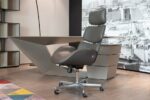
I hurt my back in 2012 lifting concrete during a backyard remodel. L4-L5 disc degeneration with a minor rupture. Not surgical, but enough to make sitting at my engineering desk uncomfortable for eight hours a day. Years of poor posture at a keyboard made it worse. After cycling through budget chairs and watching my back pain get worse instead of better, I finally understood what I should have known from the start: when it comes to ergonomic furniture, you get exactly what you pay for. Budget options might check the right boxes on paper, but they lack the precision engineering, quality materials, and research-backed design that actually make a difference between temporary relief and long-term improvement. Premium ergonomic products aren’t just expensive office furniture—they’re tools engineered to work with your body’s mechanics over thousands of hours of use.
I did the math once: roughly 2,000 hours per year at my desk. Over a decade, that’s 20,000 hours. When I looked at it that way, spending $1,200 on a chair that would support my spine properly for 10-15 years seemed less like an indulgence and more like basic maintenance.
Key Takeaways
Premium ergonomic products offer superior materials, precision engineering, and research-backed design that budget options simply cannot match
Adjustable standing desks from manufacturers like Biomorph provide decades of reliable height adjustment and superior stability compared to budget alternatives
Specialized seating solutions like Varier kneeling chairs offer unique postural benefits that traditional chairs cannot provide
Humanscale’s engineering approach eliminates complex adjustment mechanisms while providing intuitive, body-responsive support
The total cost of ownership for premium products is often lower than repeatedly replacing cheaper alternatives
Why Quality Matters in Ergonomic Design
The difference between budget and premium ergonomic products isn’t just price. It’s fundamental design philosophy. Budget ergonomic products focus on checking boxes: “adjustable height,” “lumbar support,” “padded armrests.” Premium manufacturers treat ergonomics like the engineering problem it actually is.
I’ve read enough research papers on this stuff to know that the good companies invest millions in R&D. They study human biomechanics, run pressure mapping tests, track real users over months or years. This research gets translated into products that don’t just claim to be ergonomic—they’re engineered to work with your body’s natural mechanics and adapt to your specific proportions and movement patterns.
Take materials alone. Premium ergonomic chairs use medical-grade foams that maintain their shape and support properties for years. I’ve had cheap chairs where the padding turned into a pancake after six months of use. The adjustment mechanisms are another telltale. Precision-engineered components in high-end products provide smooth, reliable operation for decades. Cheap alternatives develop play in the joints, stick when you try to adjust them, or fail completely within a couple years.
The Hidden Costs of Budget Ergonomics
Budget ergonomic products create what I call a false economy. The initial purchase price looks good, but the real cost shows up over time. Cheap chairs break down, lose their adjustability, fail to provide consistent support. You end up replacing them every two or three years, not to mention dealing with ongoing discomfort and potential health issues from poor ergonomic support.
Worse than that, poorly designed ergonomic products can actually make your back pain worse. I learned this the hard way with a cheap chair that had lumbar support in completely the wrong place. It pushed my lower spine into an unnatural arch that left me more uncomfortable than no support at all. Armrests that force your shoulders into awkward positions, seat cushions that create pressure points—these things contribute to musculoskeletal problems that follow you home.
Herman Miller: The Gold Standard in Office Seating
When I talk about premium ergonomic products, Herman Miller chairs consistently set the benchmark for innovation, quality, and longevity. The company’s commitment to research-driven design has produced some of the most respected ergonomic seating solutions available, and independent professional reviews and long-term user reports back that up consistently.
The Aeron Chair: Revolutionary Mesh Technology
The Herman Miller Aeron revolutionized office seating when it was introduced, and it’s still a pinnacle of ergonomic design. Its mesh construction isn’t just for looks—it provides zoned support that adapts to different areas of your body while maintaining excellent airflow. The PostureFit SL technology supports the natural S-curve of your spine, promoting healthy posture throughout long work sessions.
What sets the Aeron apart from budget alternatives is the precision engineering. Every adjustment mechanism is designed for smooth operation and long-term reliability. The tilt mechanism provides balanced support in any position, while the adjustable lumbar support can be fine-tuned to match your exact spinal curvature. Chairs that cost $200 and claim similar features routinely draw complaints about clunky, imprecise mechanisms in real-world user reviews—a pattern you don’t see with the Aeron.
The Embody Chair: Science-Based Spine Support
The Herman Miller Embody ($1,100 from Amazon) takes a different approach to ergonomic seating. Its pixelated support system distributes weight evenly and promotes healthy circulation. The spine-like backrest is engineered to support your natural spinal curve while allowing for movement and flexibility.
The Embody’s construction methods result in a chair that maintains its supportive properties for well over a decade of daily use. The fabric stays resilient, the foam keeps its shape, the adjustment mechanisms continue operating smoothly long after budget chairs would have given up.
Steelcase Leap: Intelligent Ergonomic Engineering
The Steelcase Leap represents another pinnacle of ergonomic chair design, with features that adapt intelligently to your body and movements. The Live Back technology allows the backrest to change shape as you move, providing continuous support for your spine’s natural curve regardless of your position.
What makes the Leap exceptional among premium ergonomic products is its comprehensive adjustability combined with intuitive operation. The chair offers precise control over every aspect of fit and support, but the adjustments are straightforward enough to set up correctly without reading a manual. The seat depth adjustment accommodates users of different heights, while the advanced lumbar system provides both height and firmness adjustment.
The Leap’s construction quality shows in every component. The robust frame supports users up to 400 pounds. The high-grade casters glide smoothly across various floor surfaces for years. The upholstery options include high-performance fabrics that resist wear, staining, and fading, maintaining their professional appearance throughout the chair’s long service life.
Humanscale: Simplicity Through Innovation
Humanscale has built its reputation on a unique design philosophy: creating ergonomic products that work intuitively with the human body without requiring complex adjustments or multiple levers and knobs. This approach has produced some of the most elegant and effective ergonomic solutions in the premium category.
Their chairs, including the Freedom and Diffrient World models, use the user’s body weight and movement as the power source for adjustment. This eliminates complicated mechanisms while providing personalized support that automatically adapts to each user. The result is furniture that feels natural and comfortable from the moment you sit down.
Beyond seating, Humanscale’s monitor arms, keyboard trays, and lighting solutions follow the same principle of intuitive design. Their monitor arms provide smooth, effortless adjustment that allows you to position your screen at the optimal height and angle with minimal effort, while maintaining that position reliably over time.
The Engineering Behind Simplicity
Creating products that appear simple while delivering sophisticated functionality requires exceptional engineering. Humanscale invests heavily in mechanism design and materials science to develop components that perform reliably for decades. Their weight-compensation technology in monitor arms uses precision counterbalancing that maintains smooth operation regardless of the monitor’s weight or position.
Biomorph Adjustable Desks: Built for a Lifetime
When it comes to adjustable desks, Biomorph represents the pinnacle of engineering quality and longevity. While many manufacturers have flooded the standing desk market with budget-friendly options, Biomorph has maintained its focus on creating premium ergonomic products that deliver superior performance and durability.
The key difference lies in Biomorph’s approach to height adjustment mechanisms. Rather than using the basic linear actuators found in budget desks, Biomorph employs precision-engineered systems that provide smooth, quiet operation while handling substantial weight loads. These mechanisms are designed and tested for hundreds of thousands of adjustment cycles, ensuring reliable operation for decades of daily use.
The structural integrity of Biomorph desks is equally impressive. The frames use high-grade steel with reinforced joints and connection points. This results in desks that remain rock-solid stable at any height, eliminating the wobble and flex that plague cheaper alternatives. The work surfaces are engineered to support heavy loads without sagging, using advanced materials and construction techniques that maintain their integrity over time.
Why Desk Stability Matters for Your Health
A wobbly or unstable desk creates more problems than just annoyance. It can contribute to poor posture and increased muscle tension. When your desk moves or flexes, your body unconsciously compensates by tensing muscles to maintain stability. This additional muscle tension throughout your workday contributes to fatigue and discomfort, particularly in your shoulders, neck, and back.
Premium adjustable desks like those from Biomorph eliminate these issues through superior engineering and construction. The result is a work surface that feels solid and secure at any height, allowing your body to relax and maintain proper posture naturally.
Varier Kneeling Chairs: Alternative Seating Solutions
For individuals seeking alternatives to traditional office seating, Varier kneeling chairs represent a unique category of premium ergonomic products that address posture and back pain through an entirely different approach. These chairs promote an open hip angle and engage your core muscles, potentially reducing pressure on the lower back while encouraging better spinal alignment.
The engineering quality in Varier chairs shows in their construction and materials. The wooden components are crafted from high-quality hardwoods with precision joinery that ensures long-term structural integrity. The upholstery uses premium fabrics and foams that maintain their shape and comfort characteristics over years of use.
What sets Varier apart from cheap kneeling chair imitations is the attention to biomechanical detail. The angles, proportions, and cushioning are carefully calculated to provide optimal support while promoting healthy posture. Budget versions often get these critical measurements wrong, resulting in products that are uncomfortable or even counterproductive for back health.
Integrating Alternative Seating into Your Routine
Kneeling chairs work best as part of a varied seating strategy rather than as a complete replacement for traditional chairs. I’ve found that alternating between different seating positions throughout the day—including traditional chairs, kneeling chairs, and standing—provides the greatest benefit for posture and comfort.
Evaluating Your Ergonomic Investment: A Step-by-Step Guide
Making the right choices when investing in premium ergonomic products requires a systematic approach. Here’s how I evaluate and prioritize ergonomic investments for maximum impact on back pain and overall comfort:
Assess your current pain points: Document when and where you experience discomfort during your workday. Is it lower back pain that worsens as the day progresses? Neck tension from looking down at your monitor? Shoulder pain from poorly positioned armrests?
Prioritize by usage time: Start with the items you interact with most. Your chair and primary work surface typically deserve the highest investment since you use them for 6-8 hours daily.
Calculate cost per use: Divide the purchase price by the expected years of use, then by days per year of use. A $1,200 chair used daily for 12 years costs roughly 27 cents per day.
Consider your space constraints: Measure your workspace carefully and consider any limitations that might affect product selection, such as ceiling height for adjustable desks or floor space for alternative seating.
Research warranty and service support: Premium products should come with comprehensive warranties and accessible service support. This protects your investment and ensures long-term reliability.
Plan for a phased approach: You don’t need to upgrade everything at once. Start with the most critical items and add other components over time as budget allows.
The Long-Term Health Investment Perspective
When I consider premium ergonomic products, I view the purchase through the lens of long-term health investment rather than simply office furniture. Poor ergonomics don’t just cause daily discomfort—they can contribute to chronic musculoskeletal problems that may require expensive medical treatment or physical therapy.
The cost of treating chronic back pain, neck problems, or repetitive strain injuries can quickly exceed the price of high-quality ergonomic equipment. More importantly, these health issues affect your quality of life, energy levels, and professional performance in ways that extend far beyond the office.
Premium ergonomic products are designed to support your body’s natural mechanics and reduce the cumulative stress that leads to these problems. The superior materials, precision engineering, and research-backed design features work together to provide consistent, reliable support that helps maintain your health over the long term.
Beyond Pain Prevention: Performance Benefits
High-quality ergonomic equipment doesn’t just prevent problems—it actively enhances your performance and well-being. Proper ergonomic support reduces fatigue, improves concentration, and helps maintain energy levels throughout the workday. I’ve noticed increased productivity, better mood, and less end-of-day exhaustion after upgrading to premium ergonomic solutions.
Frequently Asked Questions
How long do premium ergonomic chairs typically last compared to budget alternatives?
High-end ergonomic chairs like the Herman Miller Aeron and Steelcase Leap are built to last 12-15 years with proper maintenance, while budget chairs often break down within a few years. Premium chairs use medical-grade foams that maintain their shape and support properties for years, whereas cheap chairs use basic foam that compresses and loses effectiveness within months. The precision-engineered adjustment mechanisms in premium products provide smooth, reliable operation for decades.
Why are premium ergonomic products so much more expensive than budget options?
Premium manufacturers invest millions in research and development, studying human biomechanics and conducting pressure mapping studies with real users over extended periods. They use superior materials like medical-grade foams and precision-engineered components that maintain their properties for years. Budget products often focus on simply checking ergonomic boxes rather than true scientific engineering, resulting in products that may actually worsen back pain or create new problems.
Can cheap ergonomic furniture actually make my back pain worse?
Yes, inferior ergonomic products can worsen existing back pain or create new problems. Poorly designed lumbar support can push your spine into unnatural positions, while inadequate armrests force your shoulders into awkward angles. Seat cushions that create pressure points contribute to musculoskeletal issues that extend beyond work hours. This is why budget ergonomics often create a false economy, leading to ongoing physical discomfort and potential health issues.
Is the higher upfront cost of premium ergonomic products actually worth it financially?
When you consider spending roughly 2,000 hours per year at your desk, the cost-per-use of premium products becomes remarkably low over their 12-15 year lifespan. The total cost of ownership is often lower than repeatedly replacing cheaper alternatives that break down every few years. Additionally, the superior ergonomic support can prevent costly health issues and improve productivity, making premium products a sound long-term investment.
What makes brands like Herman Miller and Steelcase different from other office chair manufacturers?
These premium manufacturers approach ergonomics as a science rather than just checking feature boxes. They conduct extensive biomechanical research and pressure mapping studies to engineer products that work with your body's natural mechanics. Their chairs feature advanced technologies like Herman Miller's PostureFit SL or Steelcase's Live Back technology that actively adapt to your movements, providing continuous support that budget alternatives simply cannot match.
The Bottom Line: Quality as a Long-Term Strategy
Investing in premium ergonomic products represents a shift from short-term cost savings to long-term value creation. While the initial investment may seem substantial, the combination of superior performance, extended lifespan, and health benefits makes high-quality ergonomic equipment a smart financial and personal decision.
The manufacturers I’ve discussed—Herman Miller, Steelcase, Humanscale, Biomorph, and Varier—have earned their reputations through decades of innovation, quality manufacturing, and customer satisfaction. Their products consistently deliver the performance, durability, and ergonomic benefits that justify the premium pricing.
Your workspace setup directly impacts roughly one-third of your waking hours. The quality of that experience affects not just your comfort and productivity during work, but your energy and well-being throughout your entire day. When I looked at it from this perspective, investing in ergonomic equipment that properly supports my body became not just worthwhile, but essential.
Your next step should be to honestly assess your current ergonomic setup and identify the single most problematic area—whether that’s your chair, desk height, or monitor position—and begin researching premium solutions that address that specific issue. Start with one high-quality component and experience the difference that proper ergonomic support can make in your daily comfort and long-term health.
Products Mentioned in This Article
As an Amazon Associate, I earn from qualifying purchases. These links help support the site at no extra cost to you.