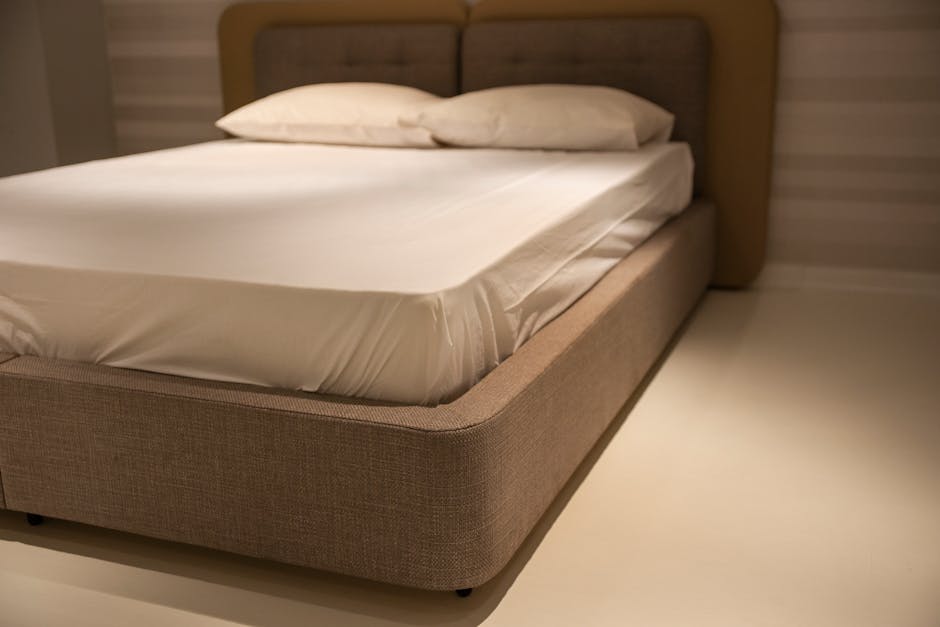
I’ve spent the last decade dealing with chronic back pain from a 2012 injury—lifting concrete during a backyard remodel that left me with disc degeneration and a mild rupture. One thing that took me way too long to figure out: my mattress was actively working against my recovery every single night.
If you’re like most desk workers, you probably spent more time researching your last laptop purchase than you did picking the mattress you sleep on for 7-8 hours every night. I get it. I did the same thing. But after years of waking up feeling like I’d been in a car accident, I realized that finding one of the best mattresses for back pain wasn’t just about comfort—it was about giving my spine a chance to recover from the daily stresses of sitting hunched over a computer.
The problem is there’s conflicting advice everywhere. Some people swear by firm mattresses, others insist memory foam changed their lives, and your coworker keeps telling you about their expensive pillow-top. Meanwhile, you’re still waking up stiff and sore, wondering what actually works.
What I’ve Learned About Mattresses and Back Pain
Medium-firm mattresses work best for most people with back pain—they provide spinal support without creating pressure points
Hybrid mattresses (innerspring + foam layers) often give you the best of both worlds for back pain relief
Your sleeping position matters more than you think—side sleepers need different support than back or stomach sleepers
Spine doctors focus on proper alignment over firmness alone when recommending mattresses
A good mattress for back pain is one of the most cost-effective investments you can make in your spinal health
Why Your Mattress Affects Your Back Pain
Here’s what I learned from years of physical therapy and reading research studies: your spine needs to maintain its natural S-shaped curve while you sleep. During those 7-8 hours, your muscles should be able to relax completely and your intervertebral discs should rehydrate after a day of compression from sitting and standing.
When your mattress doesn’t provide adequate support, your spine falls out of alignment. Your muscles end up working all night trying to maintain proper positioning. I noticed this personally—I’d wake up with the same muscle tension I had when I went to bed, sometimes worse.
The research shows that sleep quality and back pain feed into each other. Poor sleep actually lowers your pain threshold, making existing problems feel worse. When I finally addressed my sleep setup, I found that better rest led to less pain, which led to even better sleep.
For those of us glued to desks all day, this becomes critical. Your mattress is your body’s chance to counteract the forward head posture, rounded shoulders, and tight hip flexors that develop from prolonged sitting. The wrong mattress can undo any progress you made during the day.
What Spine Doctors Actually Say About Firmness
I spent a lot of time reading clinical studies and talking to physical therapists about this. The firmness debate isn’t as simple as “firm is always better”—it’s more nuanced and depends on several factors specific to you.
Medium-Firm: The Sweet Spot for Most People
Clinical studies consistently point to medium-firm mattresses as optimal for most people with back pain. On a 10-point scale (1 being incredibly soft, 10 being rock-hard), this typically means 5-7.
Medium-firm works because it provides enough support to maintain spinal alignment while offering sufficient contouring to relieve pressure points. Based on what the research and user reports consistently show, mattresses in this range address both the need for structural support and the comfort requirements that actually let you sleep through the night.
When Firm Mattresses Make Sense
Truly firm mattresses (8-9 on the firmness scale) work for specific situations. Stomach sleepers often need firmer support to prevent their hips from sinking too deeply, which creates an uncomfortable arch in the lower back. People with higher body weight may also find that firmer mattresses provide better support and prevent excessive sinking.
But spine specialists caution against assuming firmer is always better. An overly firm mattress can create pressure points at your shoulders and hips, especially if you’re a side sleeper. This leads to poor circulation and muscle tension that can actually make back pain worse.
The Problem with Soft Mattresses
Soft mattresses (3-4 on the firmness scale) are generally not recommended as the best mattresses for back pain by most spine specialists. These surfaces typically allow too much sinking, which causes your spine to fall out of alignment and creates uncomfortable pressure points.
There are exceptions. Some side sleepers with lighter body weight and prominent hip and shoulder curves may find that a slightly softer surface allows for better pressure relief while still maintaining adequate support. The key is finding the right balance for your specific body type and sleeping position.
Mattress Types: What I’ve Learned from Research
Over the years, I’ve dug into the research on innerspring, memory foam, and hybrid mattresses. Each type has distinct advantages and drawbacks, and the best choice depends on your specific needs and sleeping patterns.
Traditional Innerspring: Reliable Support
Traditional innerspring mattresses remain popular among people seeking the best mattresses for back pain because they offer excellent support and responsiveness. The coil system provides a firm, supportive base that helps maintain spinal alignment, and the springs allow for easy movement during sleep—important if you change positions frequently due to discomfort.
Modern innerspring mattresses have evolved significantly. Today’s versions often feature individually wrapped coils that provide better motion isolation and more targeted support. The key advantage for back pain sufferers is consistent, reliable support that doesn’t diminish significantly over time.
The downside is that traditional innerspring mattresses can lack pressure-relieving properties. The surface can feel too firm for side sleepers or those with prominent pressure points, potentially creating discomfort that outweighs the supportive benefits.
Memory Foam: Contouring Comfort
Memory foam mattresses have gained popularity for back pain relief due to their ability to contour to your body’s shape, distributing weight evenly and reducing pressure points. This can be particularly beneficial for office workers whose bodies have developed tension patterns from prolonged sitting.
The viscoelastic properties of memory foam allow it to respond to body heat and pressure, creating a customized sleeping surface that adapts to your unique body shape. This helps maintain proper spinal alignment by allowing the mattress to conform to your natural curves rather than forcing your body to adapt to the mattress.
The potential drawbacks include heat retention, which can disrupt sleep quality, and the “sinking” feeling that some people find uncomfortable. Lower-quality memory foam mattresses may not provide adequate support, particularly for heavier individuals or those who prefer a more responsive sleeping surface.
Hybrid Mattresses: My Top Recommendation
Hybrid mattresses combine the support of innerspring coils with the comfort and pressure relief of memory foam or latex layers. For many people seeking the best mattresses for back pain, hybrids represent an ideal compromise that addresses the limitations of both traditional innerspring and all-foam designs.
The coil base provides responsive support and airflow that back pain sufferers often need, while the comfort layers offer pressure relief and contouring that help maintain proper spinal alignment. This combination is particularly effective for couples with different sleep preferences or individuals who experience varying comfort needs throughout the night.
Hybrid mattresses often excel in durability as well, maintaining their supportive properties longer than all-foam alternatives. For people investing in a long-term solution for back pain relief, this can make hybrids particularly cost-effective over time.
How Your Sleeping Position Affects Mattress Choice
Your preferred sleeping position plays a crucial role in determining which mattress will provide the best back pain relief. I learned this through trial and error—what works for your back-sleeping friend might not work for you if you’re a side sleeper.
Back sleepers generally benefit from medium-firm to firm mattresses that provide consistent support along the entire length of the spine. The mattress should maintain the natural S-curve of the spine without allowing the lower back to sink too deeply or arch uncomfortably.
Side sleepers typically need slightly softer surfaces that allow the hips and shoulders to sink in while supporting the waist. This sleeping position is common among office workers, as it can help counteract some of the postural issues developed from desk work. Without proper mattress support, side sleeping can create its own alignment problems.
Stomach sleepers usually require firmer mattresses to prevent the hips from sinking too deeply, which can create an uncomfortable arch in the lower back. Spine specialists generally recommend transitioning away from stomach sleeping when possible, as this position can strain both the neck and lower back regardless of mattress quality.
Combination sleepers who change positions throughout the night often find hybrid mattresses most accommodating, as these provide the responsiveness needed for easy position changes while maintaining adequate support in each sleeping position.
What Spine Specialists Look for in Mattress Recommendations
When spine specialists recommend mattresses to their patients, they focus on several key factors that go beyond simple firmness ratings or popular brand names. Understanding these professional criteria helped me evaluate potential mattresses more effectively.
Spinal alignment takes priority over everything else. Specialists look for mattresses that maintain the spine’s natural curves without creating pressure points or areas of inadequate support. This means the mattress should support the heavier parts of the body (hips and shoulders) while filling in the lighter areas (waist and neck) to create even weight distribution.
Pressure relief is the second critical factor. Areas where the body exerts the most pressure—typically the hips, shoulders, and knees—need adequate cushioning to prevent circulation problems and muscle tension. This pressure relief cannot come at the expense of overall support.
Motion isolation becomes important for people whose sleep is disrupted by pain-related position changes or partners who move frequently. Poor sleep quality can significantly impact pain perception and healing, making this seemingly secondary factor quite important for overall treatment success.
Durability and consistency are often overlooked but crucial factors. A mattress that provides excellent support initially but loses its properties within a couple of years can actually worsen back pain over time. Spine specialists prefer mattresses that maintain their supportive qualities throughout their expected lifespan.
My Step-by-Step Process for Choosing a Back Pain Relief Mattress
Selecting one of the best mattresses for back pain doesn’t have to be overwhelming if you approach the decision systematically. Here’s the process I developed after years of research:
Track your current pain patterns: Note when your back pain is worst—upon waking, during the day, or at bedtime. Morning stiffness often indicates mattress-related issues, while evening pain might be more related to daily activities.
Identify your primary sleeping position: Spend a few nights paying attention to how you naturally fall asleep and what position you’re in when you wake up. This information will guide your firmness and support needs.
Consider your body type: Your weight, height, and body shape affect how you’ll interact with different mattress types. Heavier individuals typically need firmer support, while lighter people may prefer more contouring.
Evaluate your temperature preferences: If you sleep hot, prioritize mattresses with good airflow like innerspring or hybrid models. If you’re always cold, memory foam’s heat retention might actually be beneficial.
Set a realistic budget: Quality mattresses for back pain relief represent a significant investment, but you’re potentially spending less than $1 per night for better sleep and reduced pain over a 10-year lifespan.
Research trial periods and warranties: Look for mattresses with at least 90-night trial periods and warranties of 10 years or more. This protection is especially important when investing in back pain relief.
Test systematically: When trying mattresses in a showroom, spend at least 10-15 minutes in your typical sleeping position. Pay attention to pressure points, spinal alignment, and overall comfort rather than initial impressions.
Why This Investment Actually Matters
I started thinking of a quality mattress as a medical device rather than just furniture. For office workers dealing with the daily stresses of prolonged sitting and poor posture, a mattress that promotes proper spinal alignment and restorative sleep becomes a crucial component of overall back health management.
The cumulative effects of poor sleep on back pain create a vicious cycle that’s difficult to break. Inadequate rest increases inflammation, reduces pain tolerance, and impairs your body’s natural healing processes. Over months and years, this can transform minor back discomfort into chronic pain conditions that significantly impact quality of life and productivity.
Investing in one of the best mattresses for back pain can create positive cascading effects. Better sleep improves pain management, increases energy levels, and enhances overall physical and mental well-being. I found that addressing sleep quality through proper mattress selection reduced my need for pain medications and other interventions.
From a financial perspective, a quality mattress often costs less than what many people spend on coffee in a year, yet it influences your health and well-being every single day. When you factor in potential savings on healthcare costs, pain management treatments, and improved productivity, the return on investment becomes compelling.
What I’d Tell a Friend
Choosing the right mattress for back pain relief isn’t about finding the most expensive option or following one-size-fits-all recommendations. It’s about understanding your specific needs, sleeping patterns, and body type, then selecting a mattress that provides the optimal balance of support and comfort for your situation.
Medium-firm hybrid mattresses consistently emerge as the top choice for most people seeking the best mattresses for back pain, offering the responsive support of innerspring coils with the pressure-relieving comfort of memory foam or latex layers. Your individual circumstances—including sleeping position, body type, and specific pain patterns—should guide your decision.
A quality mattress represents one of the most impactful investments you can make in your long-term spinal health. You spend roughly one-third of your life sleeping, so ensuring this time promotes healing rather than contributing to pain is crucial for overall well-being. For office workers already dealing with postural challenges, the right mattress becomes even more essential as a tool for nightly recovery and restoration.
Start by evaluating your current sleep quality and pain patterns tonight—notice how you feel when you wake up tomorrow morning, and use that information to begin your search for the mattress that will transform both your sleep and your back health.
Frequently Asked Questions
What firmness mattress is best for back pain?
Most spine specialists recommend medium-firm. Research shows medium-firm mattresses reduce pain more than firm or soft options.
Can a bad mattress cause back pain?
Yes, a mattress that is too soft, too firm, or worn out can cause back pain by failing to support your spine during sleep.
How often should you replace your mattress?
Every 7-10 years, or sooner if you notice sagging, increased morning pain, or poor sleep quality.