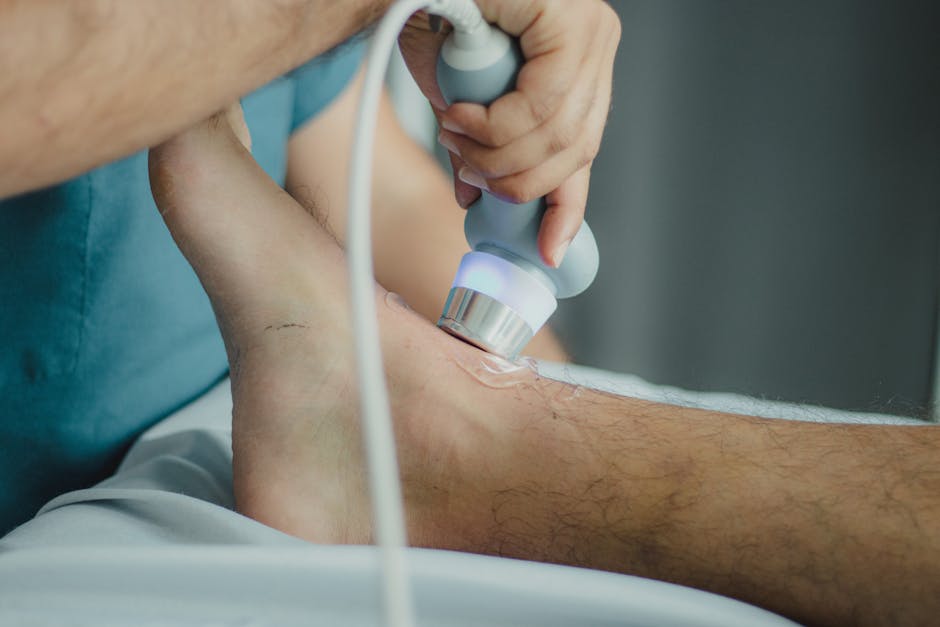
I first heard about extracorporeal shockwave therapy (ESWT) six months ago when my physical therapist mentioned that Mayo Clinic was getting impressive results with it for chronic back pain cases like mine. As someone who’s been dealing with disc degeneration since 2012 and spending way too many hours hunched over a keyboard, I figured it was worth looking into. The idea of using high-energy sound waves to stimulate healing sounded a bit sci-fi, but the research coming out of Mayo Clinic suggests this non-invasive approach might be a game-changer for those of us who haven’t had much luck with traditional treatments.
What caught my attention is that this isn’t just another pain management technique. Mayo Clinic’s research shows shockwave therapy actually addresses the root causes of chronic pain rather than just masking symptoms. For desk workers like me who develop back problems from prolonged sitting and poor posture, this could represent a significant shift away from the usual cycle of PT, injections, and hoping things don’t get bad enough to need surgery.
Key Points
Shockwave therapy uses high-energy sound waves to promote healing in chronic back pain conditions
Mayo Clinic reports significant pain reduction and improved function in patients with chronic musculoskeletal conditions
The treatment is non-invasive and can be performed in outpatient settings
Best results occur when combined with proper ergonomics and movement therapy
Treatment typically requires 3-6 sessions over several weeks
What Shockwave Therapy Actually Does
ESWT delivers focused, high-energy acoustic waves to injured tissue. The technology was originally developed to break up kidney stones, but researchers discovered these sound waves could trigger the body’s natural healing processes in musculoskeletal problems. I spent some time digging into the mechanisms because I wanted to understand what’s actually happening, not just whether it works.
The therapy works through several biological pathways that make sense for the kind of chronic back pain most desk workers develop:
Neovascularization
The shockwaves stimulate formation of new blood vessels in treated areas. This matters for those of us spending 8-10 hours a day in chairs because prolonged sitting creates poor circulation in back muscles and connective tissues. Improved blood flow means more oxygen and nutrients reach damaged areas while waste products get cleared out more efficiently. It’s a pretty straightforward cause-and-effect mechanism.
Pain Gate Mechanism
The therapy appears to influence how pain signals travel through the spinal cord, essentially interrupting the transmission of chronic pain messages. This is particularly relevant for people who’ve developed central sensitization, where the nervous system becomes hypersensitive to pain signals over time. I’ve noticed this phenomenon in my own case where minor movements that shouldn’t hurt can trigger significant discomfort.
Tissue Regeneration
Mayo Clinic’s research shows that shockwaves trigger release of growth factors and stem cells, promoting actual tissue repair. This addresses the underlying problem rather than just providing temporary symptom relief. After years of treatments that only offered short-term improvements, the idea of actually fixing damaged tissue is appealing.
Who Might Be a Good Candidate
Based on the current research and Mayo Clinic’s treatment protocols, shockwave therapy shows particular promise for specific types of back pain that are common in office environments:
Chronic Lower Back Pain
Patients with chronic lower back pain persisting more than three months despite conservative treatments often see significant improvement. This includes pain from conditions I’m familiar with:
Muscle tension and trigger points from prolonged sitting
Facet joint dysfunction
Sacroiliac joint pain
Myofascial pain syndrome
Failed Conservative Treatment
The ideal candidates are people who haven’t found adequate relief through traditional approaches like physical therapy, medications, or injections, but want to avoid surgery. I fit this category pretty well. Two years of PT helped but didn’t solve the problem, and I’m not interested in surgical options unless absolutely necessary. Recent research suggests shockwave therapy can be particularly effective when conventional treatments have plateaued.
Absence of Red Flags
Patients need screening to ensure their back pain isn’t caused by serious underlying conditions like infections, tumors, or fractures. Shockwave therapy targets mechanical and soft tissue problems, not structural abnormalities that require surgical intervention. This screening process is standard medical practice, but worth mentioning for people considering the treatment.
The Treatment Process
Understanding what actually happens during treatment helps with decision-making. I haven’t undergone shockwave therapy yet, but I’ve researched the process thoroughly.
Initial Assessment
Treatment starts with a comprehensive evaluation by a qualified healthcare provider. This includes reviewing your work setup, daily habits, previous treatments, and physical examinations to identify the exact source of pain. For desk workers, particular attention gets paid to postural patterns and ergonomic factors contributing to the problem. This makes sense because treating symptoms without addressing causes usually leads to recurring issues.
Treatment Sessions
Typical protocols involve 3-6 sessions scheduled one week apart. Each session lasts 15-20 minutes in an outpatient setting. During treatment:
You lie on an examination table in a comfortable position
Ultrasound gel gets applied to the treatment area
The shockwave device is positioned over painful areas
High-energy sound waves are delivered in pulses
Most patients experience mild discomfort during treatment, but it’s generally well-tolerated
Post-Treatment Care
Unlike surgical procedures, shockwave therapy requires minimal downtime. Mayo Clinic protocols emphasize that optimal results require combining treatment with lifestyle modifications, particularly for desk workers. This approach makes sense from an engineering perspective: you fix the damage and eliminate the causes that created it.
Combining Treatment with Ergonomic Solutions
While shockwave therapy can provide significant pain relief, research shows the best long-term outcomes occur when treatment addresses underlying causes of back pain in office workers. I’ve learned this lesson the hard way over the years.
Workspace Optimization
Recent findings from Cleveland Clinic on standing desk benefits align with Mayo Clinic’s recommendations for post-shockwave therapy care. Key ergonomic modifications include:
Monitor positioning: Screen top at eye level to prevent forward head posture
Chair adjustment: Lumbar support at the natural curve of your lower back
Keyboard placement: Elbows at 90-degree angles to reduce shoulder tension
Foot support: Feet flat on floor or footrest to maintain proper hip position
Movement Integration
Shockwave therapy’s healing effects are enhanced when patients maintain regular movement throughout their workday. This includes:
Standing and walking every 30-60 minutes
Performing desk stretches targeting hip flexors, thoracic spine, and glutes
Using sit-stand desks to alternate positions throughout the day
Incorporating strengthening exercises for core and posterior chain muscles
Expected Results and Timeline
Understanding realistic expectations is important for desk workers considering shockwave therapy for chronic back pain. I’ve learned to be skeptical of treatments promising immediate results.
Short-term Effects
Many patients experience some pain relief within 1-2 weeks after their first treatment. Some people may initially experience increased soreness as the healing process begins. This is normal and typically resolves within 48-72 hours. The initial soreness is similar to what you might feel after a deep tissue massage or aggressive PT session.
Peak Benefits
Mayo Clinic research indicates maximum benefits typically occur 6-12 weeks after completing the treatment series. This delayed response reflects the time needed for new tissue formation and healing processes to take effect. From a biological standpoint, this timeline makes sense for tissue regeneration.
Success Rates
Studies show 60-80% of patients with chronic musculoskeletal conditions experience significant pain reduction and improved function. Success rates are highest among patients who also address contributing factors like poor ergonomics and sedentary lifestyles. These numbers are better than most treatments I’ve researched over the years.
Cost and Insurance Considerations
For desk workers considering this treatment option, understanding the financial aspects is important for planning purposes. I’ve gotten pretty good at evaluating cost-benefit ratios for various treatments.
Shockwave therapy costs typically range from $200-500 per session, with most patients requiring 3-6 treatments. While not all insurance plans cover the procedure, many are beginning to recognize its value as a cost-effective alternative to surgery or long-term medication management.
When evaluating costs, consider the potential savings from:
Reduced need for pain medications
Fewer missed work days due to back pain
Avoiding more expensive surgical interventions
Improved productivity and quality of life
Potential Side Effects and Limitations
Like any medical treatment, shockwave therapy has potential side effects and limitations that desk workers should understand. I always research risks before considering new treatments.
Common Side Effects
Temporary soreness or discomfort at treatment site
Mild swelling or redness
Bruising in some cases
Temporary increase in pain (typically resolves within 48 hours)
Contraindications
Shockwave therapy isn’t appropriate for everyone. The treatment is not recommended for patients with:
Pregnancy
Blood clotting disorders or use of blood thinners
Infections in the treatment area
Tumors or cancer in the treatment region
Certain cardiac conditions
Finding Qualified Providers
The success of shockwave therapy depends significantly on proper technique and patient selection. When looking for treatment providers, desk workers should seek out:
Board-certified physicians: Orthopedic specialists, physiatrists, or sports medicine doctors
Experienced facilities: Clinics with established shockwave therapy programs
Comprehensive evaluation: Providers who thoroughly assess your work environment and lifestyle factors
Integrated approach: Teams that combine treatment with ergonomic counseling and exercise therapy
Where This Fits in Back Pain Treatment
Mayo Clinic’s latest research on shockwave therapy represents part of a broader shift toward non-invasive, biologically-based treatments for chronic pain conditions. This is particularly relevant for desk workers, who often develop back pain from repetitive strain and postural problems rather than acute injuries.
Recent advances in understanding pain science, combined with treatments like shockwave therapy, are creating new options for people who previously had limited choices beyond medication management or surgery. The key insight is that effective treatment often requires addressing both symptoms and underlying causes. In this case, that means the ergonomic and lifestyle factors that contribute to chronic back pain in office environments.
For desk workers struggling with persistent back pain that hasn’t responded to traditional treatments, shockwave therapy offers a promising new option. When combined with proper ergonomics, regular movement, and targeted strengthening exercises, this treatment can help break the cycle of chronic pain and restore function. The most important step is working with qualified healthcare providers who understand both the treatment itself and the unique challenges faced by today’s increasingly sedentary workforce.
While shockwave therapy isn’t a cure-all, Mayo Clinic’s research suggests it could be a valuable tool in comprehensive management of chronic back pain. It offers hope for the millions of desk workers seeking effective, non-surgical solutions to persistent pain problems. I’m considering it myself as my next treatment option, particularly given the success rates and the fact that it addresses tissue healing rather than just symptom management.
Watch: Top 3 Exercises for Lower Back Pain
Video courtesy of Bob & Brad
Recommended Reading
As an Amazon Associate, I earn from qualifying purchases.
How long does it take to see results from shockwave therapy for chronic back pain?
While some patients experience initial pain relief within 1-2 weeks after their first treatment, maximum benefits typically occur 6-12 weeks after completing the full treatment series. This delayed response reflects the time needed for new tissue formation and healing processes to take effect. Some patients may initially experience increased soreness for 48-72 hours as the healing process begins, which is normal.
Is shockwave therapy covered by insurance, and what are the typical costs?
Shockwave therapy typically costs $200-500 per session, with most patients requiring 3-6 treatments. While not all insurance plans currently cover the procedure, many are beginning to recognize its value as a cost-effective alternative to surgery or long-term medication management. The total investment may be offset by reduced need for pain medications, fewer missed work days, and avoiding more expensive surgical interventions.
Can I return to work immediately after a shockwave therapy session?
Yes, shockwave therapy requires minimal downtime and is performed in an outpatient setting. Each 15-20 minute session allows you to return to normal activities immediately afterward. However, you may experience mild discomfort during treatment and some increased soreness for 48-72 hours post-treatment. The non-invasive nature makes it convenient for busy desk workers.
Do I still need to change my workspace setup if I’m getting shockwave therapy?
Absolutely. Research shows that the best long-term outcomes occur when shockwave therapy is combined with addressing underlying causes of back pain. This includes optimizing your workspace with proper monitor positioning, chair adjustment with lumbar support, and incorporating regular movement breaks every 30-60 minutes. The therapy promotes healing, but ergonomic improvements prevent future problems.
How effective is shockwave therapy compared to other treatments for chronic back pain?
Studies show that 60-80% of patients with chronic musculoskeletal conditions experience significant pain reduction and improved function with shockwave therapy. Success rates are highest among patients who also address contributing factors like poor ergonomics. The treatment is particularly effective for those who haven’t found adequate relief through traditional approaches like physical therapy, medications, or injections but want to avoid surgery.
Sources & Further Reading
The guidance here reflects published clinical and ergonomic research. For primary sources and deeper reading, see: