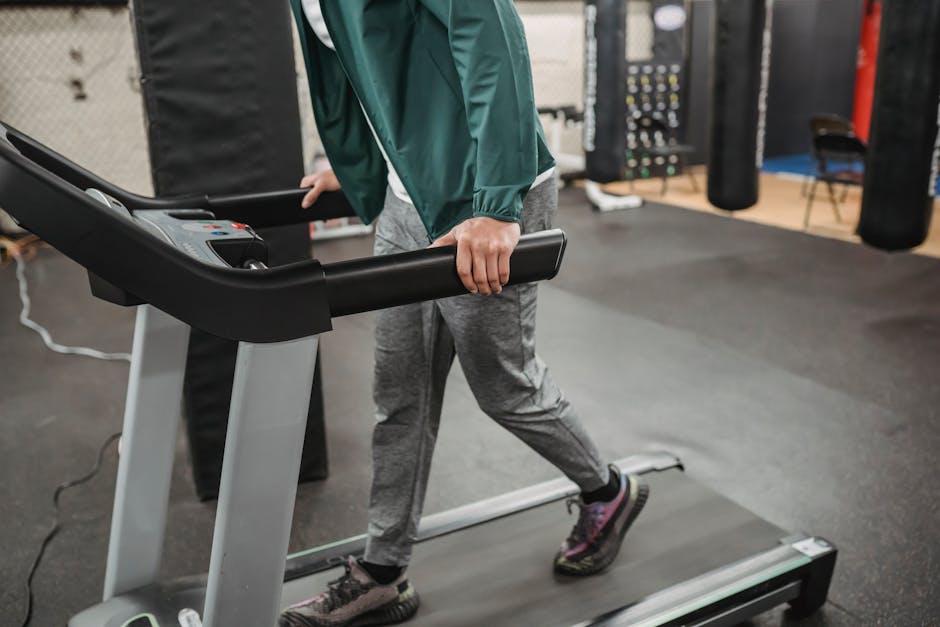
I’ve been sitting at my desk for three hours straight, and that familiar ache is creeping up my lower back. It’s the same nagging pain that got worse after my 2012 back injury and seems to intensify every day I spend hunched over my computer.
If this sounds familiar, you’re not alone. Millions of office workers are turning to solutions like under-desk walking pads, hoping to combat the negative effects of prolonged sitting while maintaining productivity. But does a walking pad under desk setup actually deliver on its promises of back pain relief and improved health?
The answer isn’t straightforward. I’ve spent years testing desk setups and movement solutions, and while walking while working offers real benefits, the reality of using an under-desk treadmill comes with both surprising advantages and notable limitations that you should understand before buying.
What You Need to Know
Under-desk walking pads can help reduce back pain by promoting better posture and increasing blood circulation
Walking while working improves focus and productivity for many users, but requires an adjustment period
These devices work best at slow speeds (1-2 mph) and aren’t suitable for intensive cardio workouts
Success depends heavily on proper desk height, monitor positioning, and gradual implementation
Alternative solutions like standing desks and regular movement breaks may be more practical for some users
Budget considerations include initial cost, space requirements, and potential productivity impacts during adaptation
The Science Behind Walking and Back Pain Relief
When you sit for extended periods, your hip flexors tighten, your glutes weaken, and your spine compresses. This creates the perfect conditions for lower back pain. A walking pad under desk addresses these issues by keeping your body in gentle motion throughout the workday.
Walking activates your core muscles naturally, providing continuous support for your spine. Unlike the static position of sitting, even slow walking engages the deep stabilizing muscles that help maintain proper spinal alignment. This gentle activation can reduce the muscle fatigue and tension that contributes to chronic back pain.
Walking also promotes better blood circulation, delivering oxygen and nutrients to your spinal discs and surrounding tissues. This improved circulation helps reduce inflammation and supports the natural healing processes that combat back pain.
Posture Benefits of Active Working
One of the most significant advantages I’ve noticed with under-desk walking pads is the improvement in posture they naturally encourage. When walking, even at slow speeds, your body automatically adjusts to maintain balance and alignment. Your shoulders tend to pull back, your core engages, and your head assumes a more neutral position.
This postural improvement isn’t just beneficial during the time you’re walking. It often carries over into your sitting periods as well. Many users I’ve talked to report increased body awareness and better postural habits throughout the day after incorporating walking into their work routine.
Real-World Benefits and Limitations
While the theoretical benefits of a walking pad under desk are compelling, the practical reality involves both significant advantages and notable challenges that you should carefully consider.
Proven Advantages
Many users experience genuine improvements in energy levels and mental clarity when incorporating walking into their work routine. The gentle movement stimulates blood flow to the brain, which can enhance cognitive function and reduce the afternoon energy crashes common among desk workers.
Weight management becomes more achievable when you’re burning additional calories throughout the workday. Even at a leisurely 1.5 mph pace, you can burn an extra 100-150 calories per hour compared to sitting. This adds up significantly over time.
The cardiovascular benefits, while modest, are still meaningful for sedentary workers. Regular low-intensity movement helps maintain healthy blood pressure and supports overall heart health.
Common Challenges
The learning curve for productive work while walking can be steeper than expected. Tasks requiring fine motor skills, such as detailed graphic work or extensive typing, may become more challenging initially. Most users need 2-4 weeks to develop the coordination necessary for complex tasks while walking.
Noise levels, even with “quiet” models, can be disruptive in shared office spaces or during video calls. The motor and belt movement, combined with footsteps, create a consistent low-level noise that some find distracting.
Workspace compatibility issues arise frequently. Many existing desks aren’t at the optimal height for walking, and monitor positioning often requires significant adjustments to maintain proper ergonomics while in motion.
Setting Up Your Walking Desk for Success
The effectiveness of your walking pad under desk setup depends heavily on proper configuration and gradual implementation. I’ve seen too many people rush into full-time walking while working, which often leads to frustration and abandonment of the system.
Essential Setup Requirements
Measure your desk height and ensure it’s appropriate for walking (typically 42-48 inches)
Position your monitor 20-26 inches away with the top of the screen at eye level
Test keyboard and mouse positioning while walking to prevent arm strain
Ensure adequate clearance around the walking pad (at least 2 feet on all sides)
Plan cable management to prevent tripping hazards
Consider flooring (hard surfaces work best for stability and noise reduction)
Start with short walking sessions of 15-20 minutes while performing simple tasks like reading emails or attending meetings. Gradually increase duration and task complexity as your coordination improves.
Optimal Usage Patterns
The most successful users don’t attempt to walk for entire workdays. Instead, they develop strategic patterns that maximize benefits while maintaining productivity. Walking during meetings, while reading, or during routine administrative tasks tends to work best.
Speed selection is crucial. Most effective use occurs at 1-2 mph. This pace allows for comfortable conversation and most desk tasks while still providing the movement benefits that combat back pain and improve circulation.
Alternatives Worth Considering
While a walking pad under desk can be effective, it’s not the only solution for combating back pain and sedentary work habits. Several alternatives might better suit your specific situation, workspace, or budget.
Standing Desk Solutions
Adjustable standing desks offer many of the same postural benefits as walking desks but with greater versatility and easier implementation. You can alternate between sitting and standing throughout the day without the space requirements or learning curve of a walking pad.
Standing desk converters provide a more budget-friendly option that transforms your existing workspace. These solutions often work better in shared offices and don’t create noise concerns during meetings or calls.
Active Movement Strategies
Regular movement breaks using smartphone reminders can be surprisingly effective. Simple strategies like walking to a colleague’s desk instead of emailing, taking phone calls while standing, or using a more distant bathroom can significantly reduce the negative effects of prolonged sitting.
Ergonomic accessories like stability balls, balance boards, or under-desk ellipticals provide movement options without the space and setup requirements of a full treadmill system.
Making the Investment Decision
Deciding whether to invest in a walking pad under desk requires honest assessment of your workspace, work style, and commitment to the adjustment period.
Consider your work tasks carefully. If your job involves detailed visual work, extensive typing, or frequent video calls, the adaptation period may be longer and more challenging. If much of your work involves reading, listening, or administrative tasks, you’re likely to see faster success.
Space and noise constraints in your work environment are crucial factors. Measure not just the walking pad footprint, but also the clearance needed for safe operation and storage. Consider how the noise level might affect colleagues or family members in shared spaces.
Budget considerations extend beyond the initial purchase price. Factor in potential desk modifications, ergonomic accessories, and the possible temporary productivity decrease during your adjustment period.
The Bottom Line
A walking pad under desk can genuinely help with back pain relief by promoting better posture, increasing circulation, and keeping your core muscles gently engaged throughout the workday. Success depends heavily on proper setup, realistic expectations, and commitment to the adjustment period.
These devices work best for people who primarily do reading, administrative work, or attend many meetings, and who have dedicated workspace with appropriate desk height and noise tolerance. If your work requires intensive focus, detailed manual tasks, or frequent collaboration, you might find better results with standing desk options or structured movement breaks.
The investment can be worthwhile if you’re committed to the gradual implementation process and have realistic expectations about the adaptation period. Any solution addressing sedentary work habits requires consistency and patience to deliver meaningful results.
Start by honestly assessing your workspace, work style, and willingness to adapt, then choose the movement solution that best fits your specific situation and constraints.
Products Mentioned in This Article
As an Amazon Associate, I earn from qualifying purchases. These links help support the site at no extra cost to you.